Why Taped Drywall Seams Reappear After Paint in Jacksonville Homes
September 25, 2026
Quick Answer: A taped drywall seam that reappears months after painting is rarely a sign of bad tape. It is usually a sign that a coat was covered before it finished drying, or that the joint compound was feathered too narrow for the paint sheen and lighting in that room. Florida's humidity extends drying time well past what a generic guide assumes, and closing in a coat too early traps moisture that surfaces later as a visible ridge, a hairline crack, or a shadow line under raking light. The fix is not another coat of compound. It is matching feathering width and drying interval to the finish level the wall actually needs.
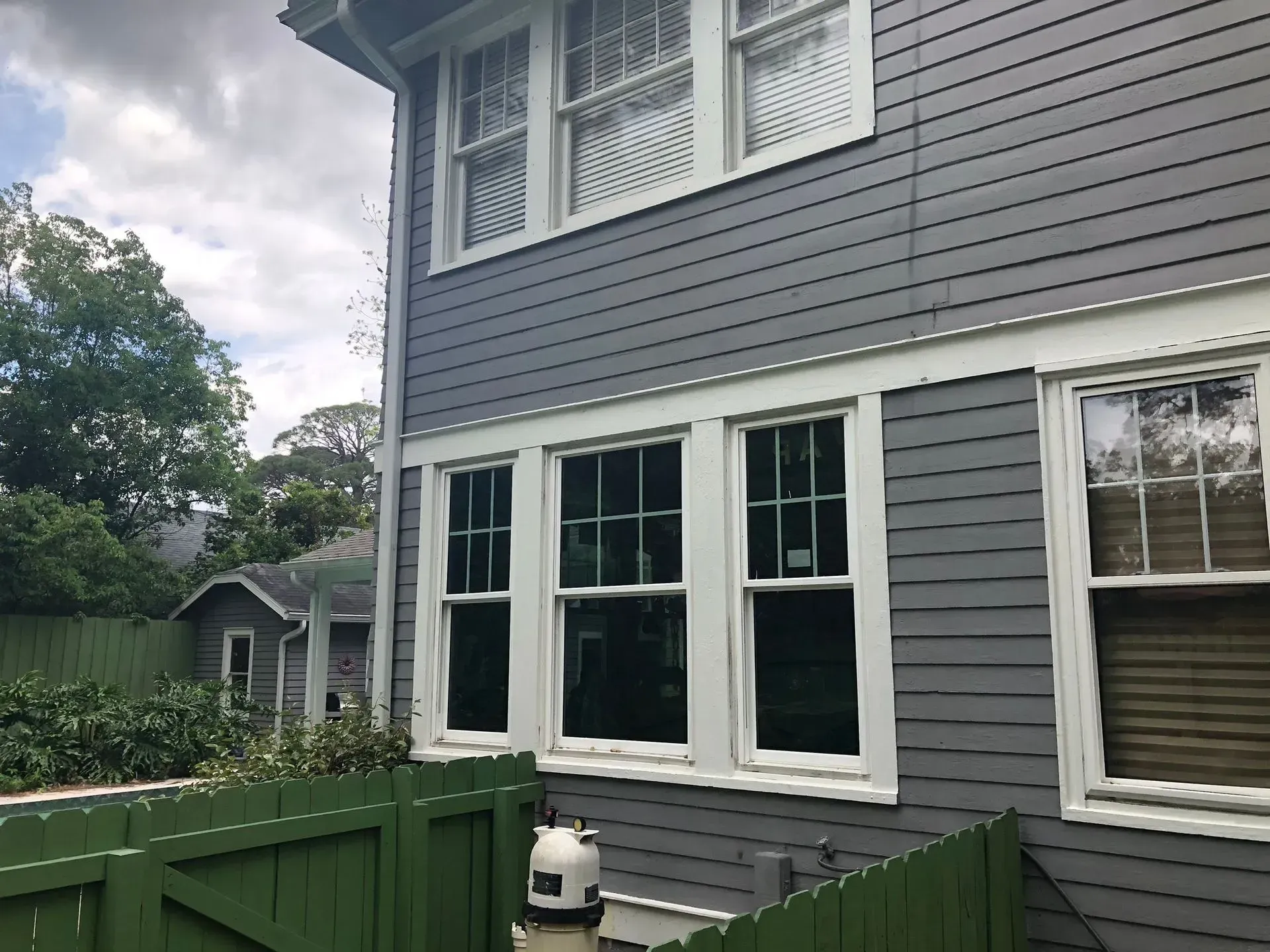
A newly painted great room in a Jacksonville Beaches home can look flawless the day the crew packs up and disappoint by the following spring. The seam along a ceiling butt joint starts as a faint shadow under afternoon light through a bank of west-facing windows. A few months later, it is visible under any light in the room, morning or night. Nothing about the paint changed. What changed is that moisture the humid climate had trapped inside the joint compound finally finished migrating out, and a seam that was feathered just wide enough to disappear under flat morning light was never feathered wide enough to survive raking sun.
This is the part of
drywall work that homeowners rarely get an explanation for. The tape did not fail. The mud did not crack because of a defective product. The seam reappeared because two variables, feathering width and drying time between coats, were set for an average room instead of for the specific lighting, sheen, and humidity conditions of that wall.
Why a Seam That Looked Perfect At Handoff Can Reappear Later
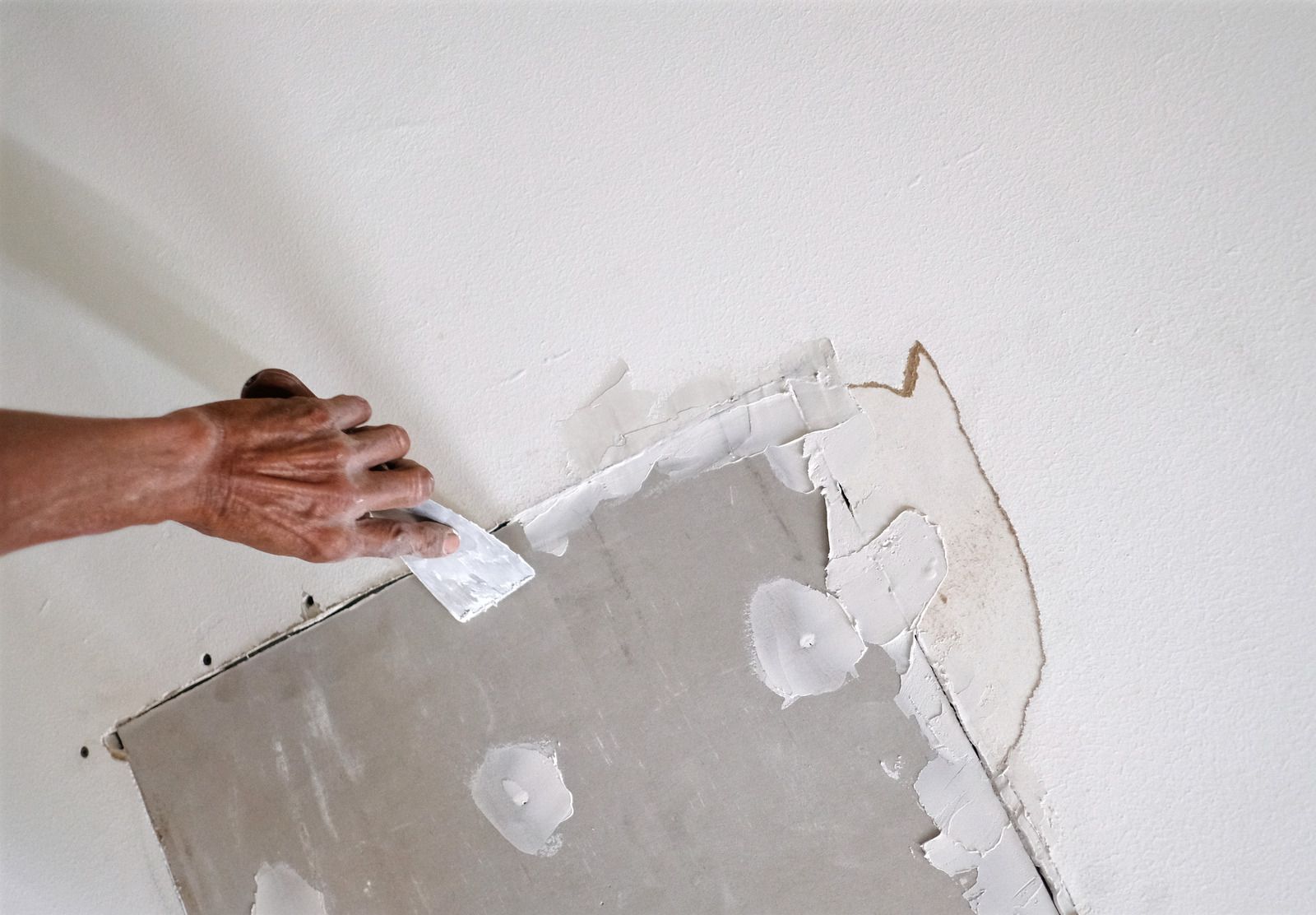
Joint compound dries by releasing water into the surrounding air, not by curing chemically the way concrete does. When a coat is sanded and painted before that water has finished leaving the compound, the moisture does not disappear. It continues migrating outward slowly, and as it does, the compound shrinks slightly and the paint film above it telegraphs the change. Drywall finishers call this joint photographing: the outline of the taped area becomes visible through the topcoat even though nothing about the paint job itself was wrong.
The Gypsum Association's finishing standard, GA-214, specifically calls out critical lighting conditions and non-flat sheens as factors that make joint photographing more likely to show. A wall lit only by an overhead fixture at night hides a lot of small imperfections. The same wall lit by a low, direct afternoon sun through a large window or patio door hides almost nothing. Coastal Jacksonville homes tend to have exactly the kind of glass and open sightlines that turn a borderline taping job into a visible one.
Your Home Looks Outdated or Hasn’t Been Painted in Years
Most homes need repainting every 5–10 years, depending on climate, paint quality, and surface type. If it’s been a long time or you’re noticing faded colors, worn trim, or outdated finishes, it’s time to refresh.
A modern color palette instantly updates your home, boosts curb appeal, and creates a warm and welcoming interior.
Feathering Width Is Set By the Finish Above It, Not By Habit
Feathering is the process of tapering each coat of compound out past the edge of the one before it, so the buildup over the joint blends into the surrounding wall instead of forming a visible ridge. How wide that taper needs to be is not a fixed number. It changes based on what is going on the wall above it.
Flat Paint Under Ordinary Room Lighting
This is the most forgiving combination. A standard feathering width across a tape coat, fill coat, and finish coat is usually enough to disappear completely.
Satin, Eggshell, Or Semi-Gloss Sheens
Any sheen above flat reflects light differently at the raised edge of a poorly feathered joint than it does across the flat field of the wall, which makes the transition visible even when the compound itself is smooth and fully sanded. These sheens need a wider, more gradual taper on every coat.
Rooms With Large Windows, Skylights, Or Recessed Lighting On A Dimmer
Direct or low-angle light is what the industry refers to as critical lighting, and it is common in the open floor plans and coastal exposures found throughout Jacksonville Beaches, St. Johns, and Clay County construction. These rooms often call for a Level 5 finish, which adds a thin skim coat across the entire surface specifically to eliminate the risk of a seam telegraphing through under that lighting.
A crew that applies the same feathering width to every room regardless of what is going on the wall is building in the exact conditions that cause a seam to reappear once the sun angle changes with the seasons.
Florida's Humidity Changes the Timeline Between Coats, Not Just the Weather Outside
Jacksonville's average relative humidity runs in the mid-70s to 80 percent range for much of the year, and enclosed rooms with less airflow, such as interior bathrooms and laundry rooms, hold even more moisture than that. A pre-mixed joint compound that a manufacturer's chart lists as ready for a second coat in a matter of hours under controlled lab conditions can take substantially longer in a humid, poorly ventilated Florida interior, particularly during the summer months when outdoor humidity pushes indoors every time a door opens.
This matters because each layer of the taping and mudding sequence, tape coat, fill coat, and finish coat, has to be fully dry before the next one goes on. Compound that looks dry on the surface can still be soft underneath, and sanding or coating over that hidden moisture is what produces the delayed shrinkage and shadow lines described above. Thin, even coats dry more evenly and more completely than thick ones, which is one of the reasons a rushed single heavy coat causes more long-term problems than two properly sequenced thin ones.
Tip: In rooms with limited airflow, such as interior bathrooms or closets, plan for longer intervals between coats than an open living area would need. Running the air conditioning to control indoor humidity during the taping and mudding phase helps every coat dry evenly before the next one is applied.
The Coat Sequence That Actually Prevents Reappearing Seams
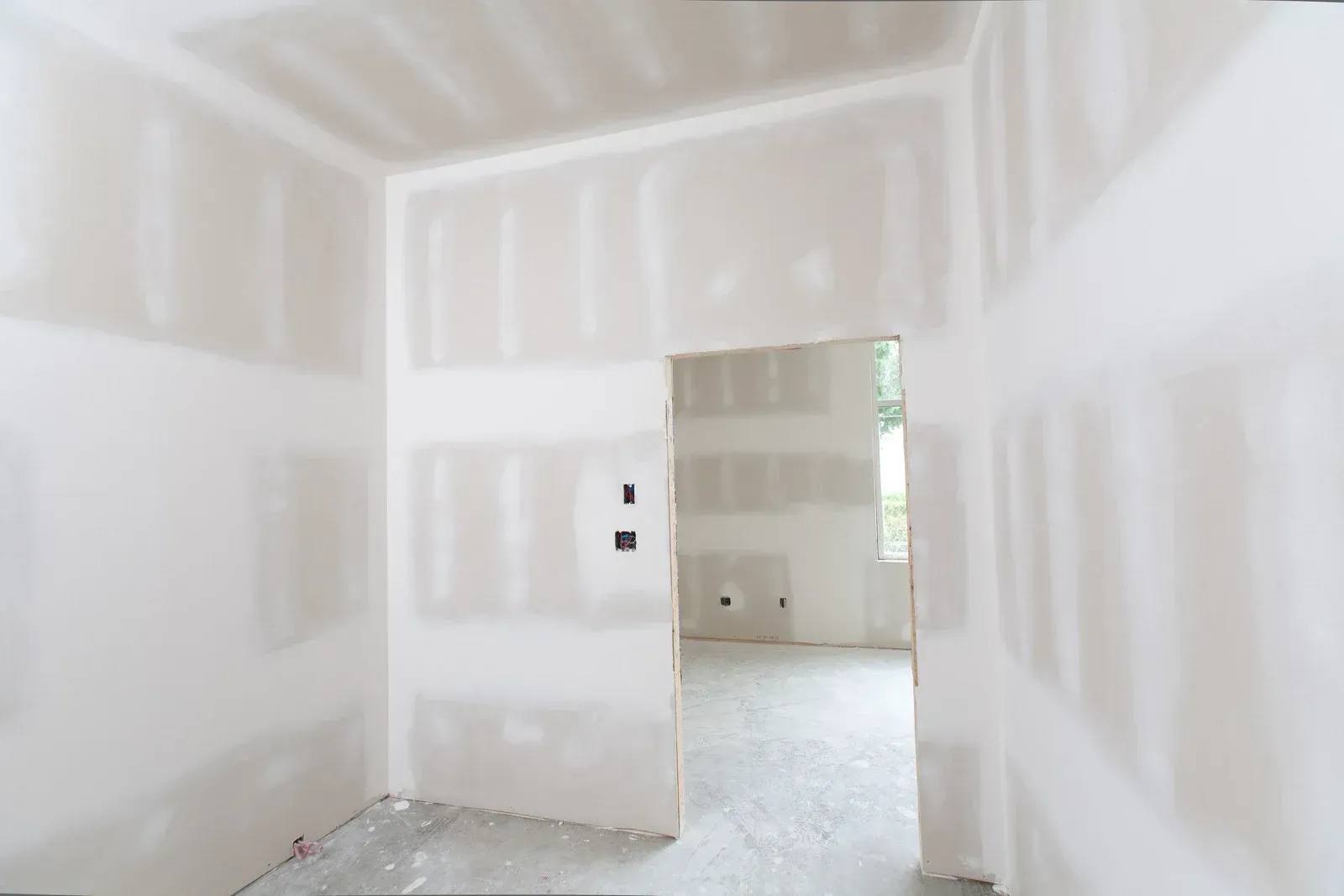
A correctly sequenced taping and mudding process moves through three distinct stages, and each one has a different job:
Tape Coat
The tape is embedded into a bed of compound directly over the joint, with the taper kept relatively narrow at this stage.
Fill Coat
A second coat extends beyond the edges of the first, widening the feather and building the compound up to nearly the level of the surrounding wall.
Finish Coat
A final, thin coat extends the feather even further and blends the buildup completely into the flat plane of the wall, ready for sanding.
Skipping straight from a tape coat to a finish coat, or narrowing the feather to save time on any one of these stages, is a shortcut that is invisible on the day the wall is painted and visible six months later.
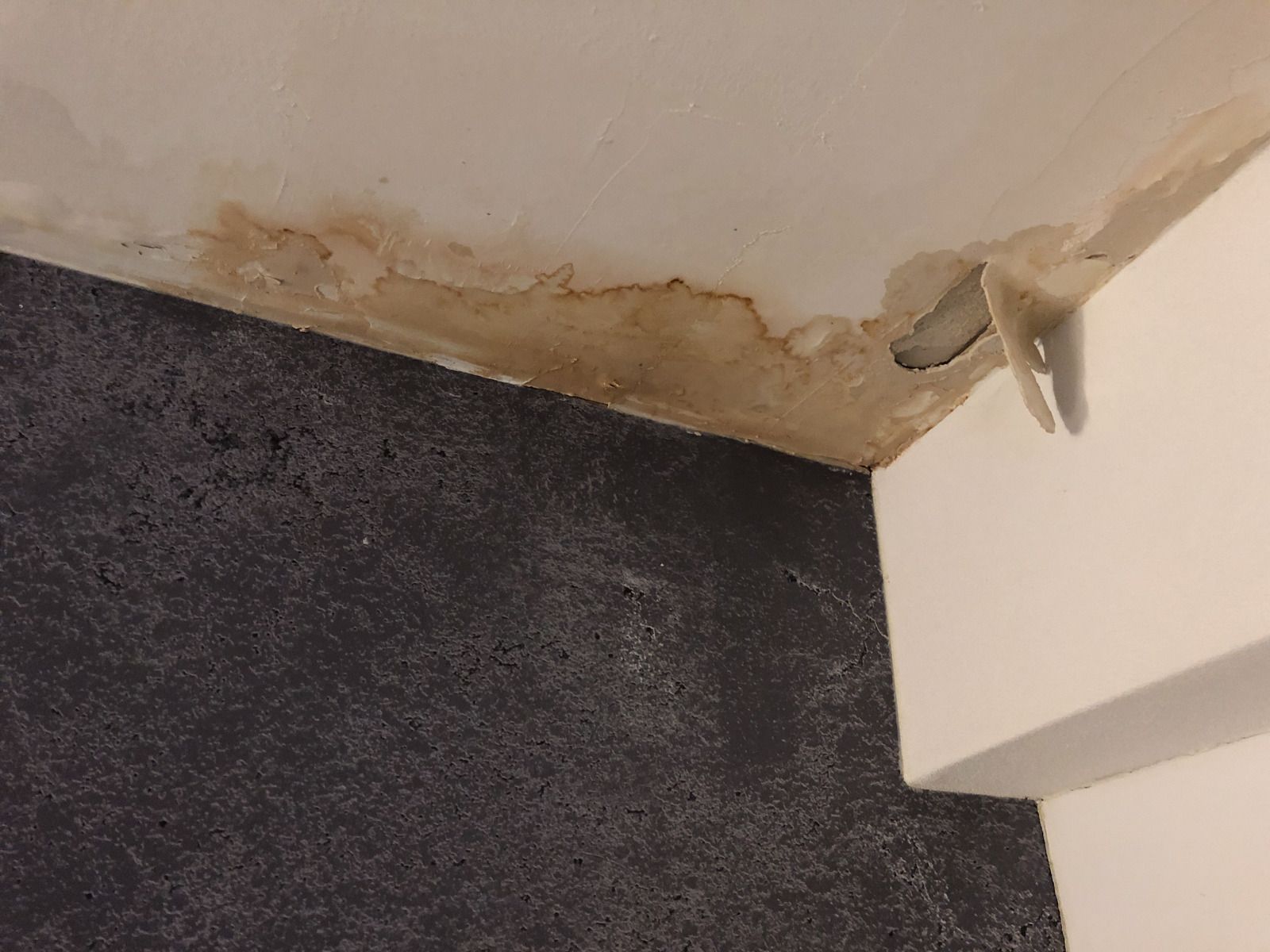
WARNING: Painting over joint compound that has not fully dried through is one of the leading causes of paint adhesion failure over drywall repairs. A coat that feels dry to the touch on the surface can still hold moisture beneath it, especially in Florida's humidity, and that trapped moisture is what produces bubbling, dulling, or a visible ridge after the fact.
What a Raking Light Inspection Catches Before Paint Goes On
Raking light, a light source held at a low angle across the wall rather than pointed directly at it, exposes every ridge, dip, and inconsistent feather that flat overhead lighting hides completely. A wall can pass a casual visual check under normal room lighting and still have feathering problems that raking light reveals instantly. Inspecting under raking light before the painting crew ever picks up a roller is what catches a narrow feather or an uneven taper while it is still correctable with compound, rather than after it has already been painted and become a callback.
The Difference Shows Up Later, Not On Handoff Day
The reason taping and mudding work is easy to underestimate is that the consequences of doing it wrong rarely appear on the day the job wraps up. A rushed feather or a coat painted over too early looks identical to correctly finished work under the flat lighting most people use to do a final walkthrough. The difference only becomes visible weeks or months later, once the humidity trapped in the compound finishes migrating out and the sun angle changes enough to rake across the wall at just the wrong moment. Getting feathering width, coat sequencing, and drying time right the first time is what keeps that difference from ever showing up at all.
Frequently Asked Questions
Why does a taped seam look fine right after painting but show up months later?
The seam reappearing later is almost always caused by moisture that was still present in the joint compound when it was sanded and painted. As that trapped moisture continues to leave the compound over the following weeks or months, the material shrinks slightly and the change becomes visible through the paint film, a process known as joint photographing.
Does paint sheen change how wide a seam needs to be feathered?
Yes. Flat paint is the most forgiving of a narrower feather because it does not reflect light directionally. Satin, eggshell, and semi-gloss sheens reflect light differently at the raised edge of a joint than across the flat wall field, so seams under these sheens need a wider, more gradual taper to stay invisible.
How does humidity in an enclosed bathroom or laundry room affect taping differently than an open living area?
Rooms with limited airflow hold moisture longer than open, ventilated spaces, which extends how long each coat of compound needs before it is truly ready for the next layer or for sanding. Coats applied on the same schedule used in an open, air-conditioned living area can end up covered while still holding moisture underneath.
Can taping and mudding be rushed during Florida's drier winter months?
Lower outdoor humidity in winter does shorten drying time somewhat, but indoor conditions, room size, ventilation, and coat thickness still determine the actual timeline. Checking that a coat is dry throughout its thickness, not just on the surface, remains necessary regardless of the season.
What is a raking light inspection and why does it matter for taping work?
A raking light inspection uses a light source held at a low angle across the wall instead of pointed straight at it, which exposes ridges, dips, and inconsistent feathering that standard overhead lighting hides. Checking a finished taping job under raking light before painting catches problems while they can still be corrected with compound.
Does recessed lighting or a wall of windows change how a room should be finished?
Yes. Rooms with strong directional light sources, including recessed lighting on a dimmer, skylights, or large windows, fall into what the finishing industry calls critical lighting conditions. These rooms typically need a wider feather or a full skim coat finish level to prevent joints from telegraphing through the paint once the light hits the wall at a low angle.
Why Careful Taping Work Pays Off Later
A seam that reappears after paint was never really about the tape. It was about a coat closed in before it finished drying, or a feather cut too narrow for the sheen and light in that particular room. Florida's humidity stretches every drying window past what a generic timeline assumes, and skipping that extra time is what turns a smooth handoff into a shadow line six months down the road. Getting the sequence right the first time keeps that shadow from ever forming.
Pristine Painting And Restoration
has spent 23
years finishing walls throughout Jacksonville Beach, FL, and that experience shows up in the parts homeowners never think to ask about, like feather width and coat timing. A raking light check before the first coat of paint goes on is a small step that protects a wall for years, not just for the walkthrough. The seams that hold up are the ones finished with that patience from the start.