Drywall Services in Jacksonville Beaches and Duval County, Florida
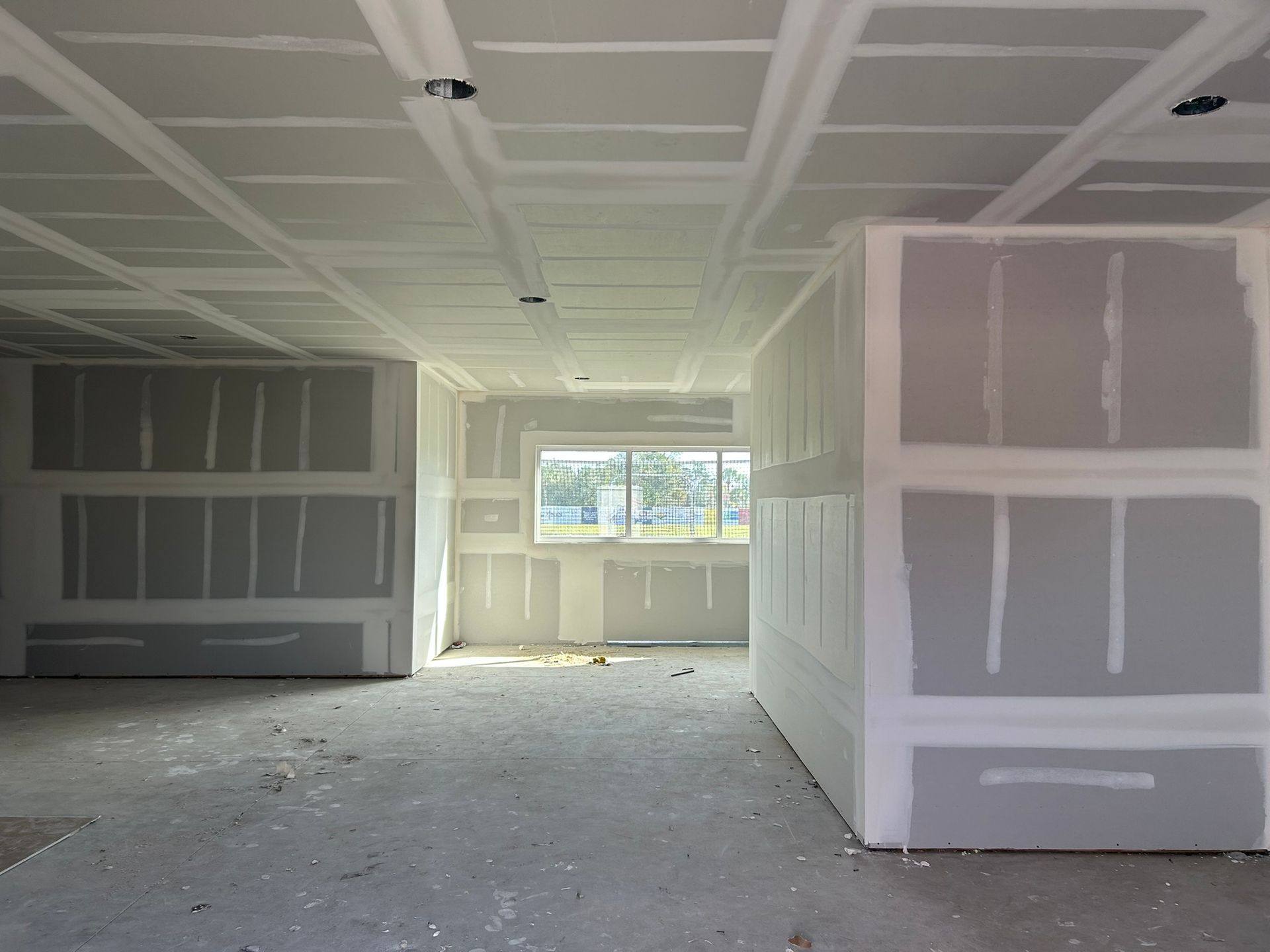
Drywall Services Built for Smooth, Lasting Interior Finishes
Paint cannot fix a bad surface. That statement sounds simple, but it is the most important thing to understand about why some finished interiors look refined and others look ordinary despite using the same paint. Drywall work is the invisible foundation beneath every interior finish, and when it is done correctly, the surfaces above it look and perform exactly the way they were intended to. Our drywall services cover every phase from new installation to repair, texture application, and complete skim coat resurfacing, all executed with the same craft discipline we apply to every surface we finish.
Homeowners across Jacksonville Beaches and Duval County, Florida and neighboring St. Johns, Clay, Nassau, and Baker Counties rely on our team for professional service. Interior surface conditions throughout this region are frequently affected by Florida's humidity, which accelerates tape lifting, surface blistering, and moisture-related substrate failure in improperly sealed or poorly installed drywall assemblies. Our team understands how these regional factors affect interior surfaces and incorporates that knowledge into every repair assessment, installation approach, and finishing decision we make.
Our veteran-owned team has 23
years of experience delivering drywall work that is built to hold a fine finish, not just pass a visual inspection. We document every scope in writing, carry out every step listed, and produce surfaces that accept premium coatings without revealing the work beneath. Our drywall services are not offered as a standalone commodity. They are part of a complete interior surface management approach. Visit our contact page to request an assessment and detailed scope for your property.
Our Drywall Services
Drywall Installation and Hanging
New drywall installation requires precise measurement, correct board selection for the application, and proper fastening to avoid future surface movement and cracking. We hang drywall on ceilings, walls, and specialty applications including curved surfaces, ensuring consistent joints and correct clearances that allow the finishing process to produce a flat, refined result.
Drywall Taping and Mudding
Taping and mudding are the steps that determine whether a finished wall ever shows seams. We apply tape, bed coats, and finish coats in the correct sequence, feathering joints to the width required for the texture or paint system being applied above. Rushed taping work is the source of most visible seam failures in interior finishes.
Smooth Wall Skim Coat Finishing
Skim coating resurfacing entire walls or ceilings with a thin, uniform layer of joint compound, creating a smooth canvas that accepts paint without revealing texture inconsistencies beneath. We skim coat over existing texture, repaired areas, and new drywall, producing surfaces that hold a fine finish the way a properly prepared wall always should.
Texture Application and Matching
Matching existing texture on a repair or addition requires skill and the right tools. We apply knockdown, orange peel, smooth, and custom textures with the consistency needed to blend seamlessly into surrounding surfaces. Unmatched texture is one of the most obvious signs of a rushed or underqualified drywall repair job on any property.
Drywall Crack and Hole Repair
Cracks, holes, and impact damage in drywall are common in both residential and commercial properties. We assess the cause of each defect before repairing it, addressing any structural or moisture-related factors contributing to the failure. Surface repairs that do not address the cause will reappear, often before the paint above them has fully cured.
Water Damage Assessment and Drywall Restoration
Water damage requires more than simply replacing wet drywall. We identify the moisture source, assess the extent of substrate damage, treat affected areas for mold potential, and restore the surface using materials and methods appropriate for the specific conditions. Restored surfaces are finished to match the surrounding area completely.
Our Process
Consultation and Damage Assessment
Every drywall project begins with a thorough assessment of existing surface conditions. We identify the type, extent, and underlying cause of any damage or deficiency before writing a single line of scope. Understanding what created the problem is as important as knowing how to fix it. Assessments are documented and shared with the client before work begins.
Substrate Preparation and Stabilization
Before any new drywall material or compound is applied, existing surfaces are stabilized. Loose tape is removed, failing compound is cut out, moisture-affected areas are treated, and any structural factors contributing to surface movement are identified and addressed. A stable substrate is the prerequisite for a repair that will not reappear weeks later.
Installation, Patching, or Resurfacing
Depending on the scope, this phase covers hanging new board, patching damaged sections, or skim coating existing surfaces. Every step is executed in the correct sequence and to the correct profile for the finish being applied above. New material is fastened, set, and allowed to properly stabilize before the taping and finishing process begins.
Taping, Mudding, and Finishing
Tape is applied, bed coats are worked in, and successive finish coats are applied and feathered to produce joints that disappear beneath the final texture or paint. Each coat is allowed to dry completely before sanding and the next application. This multi-coat process cannot be rushed without compromising the final surface quality.
Texture Application and Surface Matching
Texture is applied to match the surrounding area or to execute the specified finish across the entire surface. We use the correct tools and techniques for each texture type and adjust our approach based on the existing surface profile in the space. Consistent texture across a wall or ceiling is what makes a finished repair invisible.
Final Inspection and Handoff for Painting
Before any paint is applied, we conduct a final inspection under raking light to identify any surface irregularities that need correction. This step catches issues that are invisible under flat light but become obvious under paint. The surface is handed off for painting only when it meets the standard required for the specified finish system.
Neque porro quisquam est qui dolorem ipsum
Lorem ipsum dolor sit amet, consectetur adipiscing elit. Proin sed consectetur sapien. Morbi eget lobortis lectus, id ullamcorper turpis. Pellentesque in efficitur leo. Aliquam erat volutpat. Pellentesque at magna ut libero finibus suscipit vel vitae diam. Vestibulum leo metus, facilisis in metus vitae, convallis hendrerit tortor. Suspendisse volutpat convallis malesuada. Sed sagittis mauris pellentesque arcu pulvinar blandit. Sed eu blandit odio. Nulla interdum arcu sit amet turpis suscipit, id tincidunt augue auctor. Vestibulum fermentum maximus dui, a sodales metus aliquam non. Morbi faucibus, est ac consequat elementum, nulla turpis venenatis neque, blandit fermentum orci mauris vitae magna.
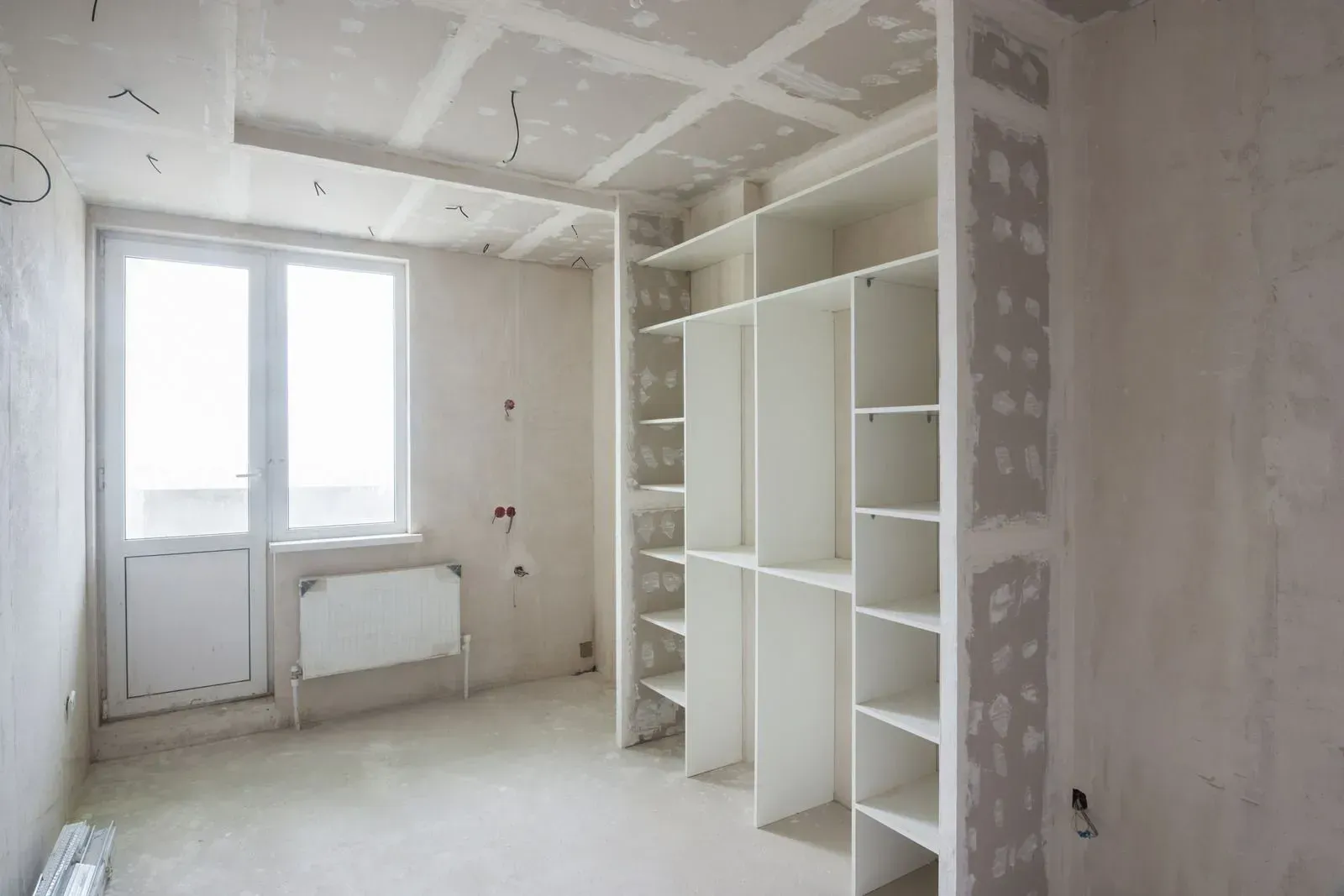
Better Paint Results Start Beneath the Surface First
A finished wall is only as refined as the substrate it is built on, and the substrate is only as reliable as the preparation and finishing work that went into it before a single coat of paint was applied. Every crack left unfilled, every seam improperly feathered, and every texture mismatch left unresolved shows up the moment paint hits the surface, and nothing applied on top of it corrects the problem below. Painting over bad drywall work does not hide it. It frames it. Pristine Painting And Restoration delivers drywall services across Jacksonville Beaches and Duval County, Florida that are scoped, executed, and inspected to the standard that fine finish paint work demands. Visit our contact page to schedule an assessment and receive a fully documented scope.
Frequently Asked Questions
How do I know if drywall needs to be replaced or can be repaired?
Surface damage limited to the paper face or a localized area of the core can typically be repaired. Drywall that has been saturated with moisture, shows active mold growth, or has lost structural integrity in the core requires replacement. A proper assessment determines the correct approach before any repair or replacement work begins.
What causes drywall seams to show through paint after a job is complete?
Visible seams through paint are almost always the result of insufficient feathering of the joint compound during finishing, inadequate drying time between coats, or application of paint over compound that had not fully cured. Properly finished seams, feathered wide and sanded smooth, should be completely invisible under any standard interior paint application.
How many coats of joint compound are needed for a proper finish?
Most standard drywall finishing requires a minimum of three coats: a tape coat, a second filling coat, and a finish coat. Skim coat applications may require two to three thin passes depending on the existing surface condition. Each coat must be fully dry and sanded before the next is applied to achieve a flat, consistent surface.
Can texture be matched on a repair without redoing the entire wall?
Texture can be matched on repairs when the existing texture has a consistent and identifiable pattern and the correct tools and application techniques are used. Older textures that have been painted multiple times are harder to match precisely. In some cases, retexturing the entire wall produces a cleaner result than attempting a localized match.
How does Pristine Painting And Restoration approach drywall repair in Duval County, Florida?
Our team treats every drywall repair as an investigation before a correction. We assess the cause, stabilize the substrate, and apply the correct repair procedure for the specific defect. Property owners across Duval County, Florida can expect a documented scope, properly phased work, and finished surfaces that hold paint the way they were intended to.
How long does it take for drywall mud to cure before painting?
Joint compound should be fully dry before sanding and painting. Thin finish coats dry within 24 hours under normal conditions. Thicker fill coats may take 48 hours or more. High humidity, which is common throughout Florida, extends drying time significantly. Painting over compound that has not fully dried is one of the leading causes of paint adhesion failure.
Is skim coating better than sanding for smoothing a textured wall?
Skim coating is generally more effective than sanding for achieving a smooth finish over a textured surface. Sanding can smooth minor irregularities but cannot fill the valleys of a pronounced texture without removing excessive material from the high points. Skim coating fills the texture profile and produces a uniform surface suitable for fine finish paint applications.
Should drywall repairs be primed before painting?
Repaired drywall areas must always be primed before finish coats are applied. Unprimed compound is highly porous and will absorb the first coat of paint unevenly, producing a dull, flat area visible through the topcoat called flashing. A drywall primer or PVA sealer applied over all repaired and bare compound areas eliminates this problem entirely.
What our customers have to say...
Testimonials
Adam showed up on time, did the job quickly, and was polite and professional. Would definitely use again. Adam showed up on time, did the job quickly, and was polite and professional. Would definitely use again.
Elizabeth R.
Adam showed up on time, did the job quickly, and was polite and professional. Would definitely use again. Adam showed up on time, did the job quickly, and was polite and professional. Would definitely use again.
Patricia H.
Adam showed up on time, did the job quickly, and was polite and professional. Would definitely use again. Adam showed up on time, did the job quickly, and was polite and professional. Would definitely use again.
Elizabeth R.
Adam showed up on time, did the job quickly, and was polite and professional. Would definitely use again. Adam showed up on time, did the job quickly, and was polite and professional. Would definitely use again.
Patricia H.