Brown Water Ring on the Ceiling After a Storm? Drywall Repair Before Repaint
July 20, 2026
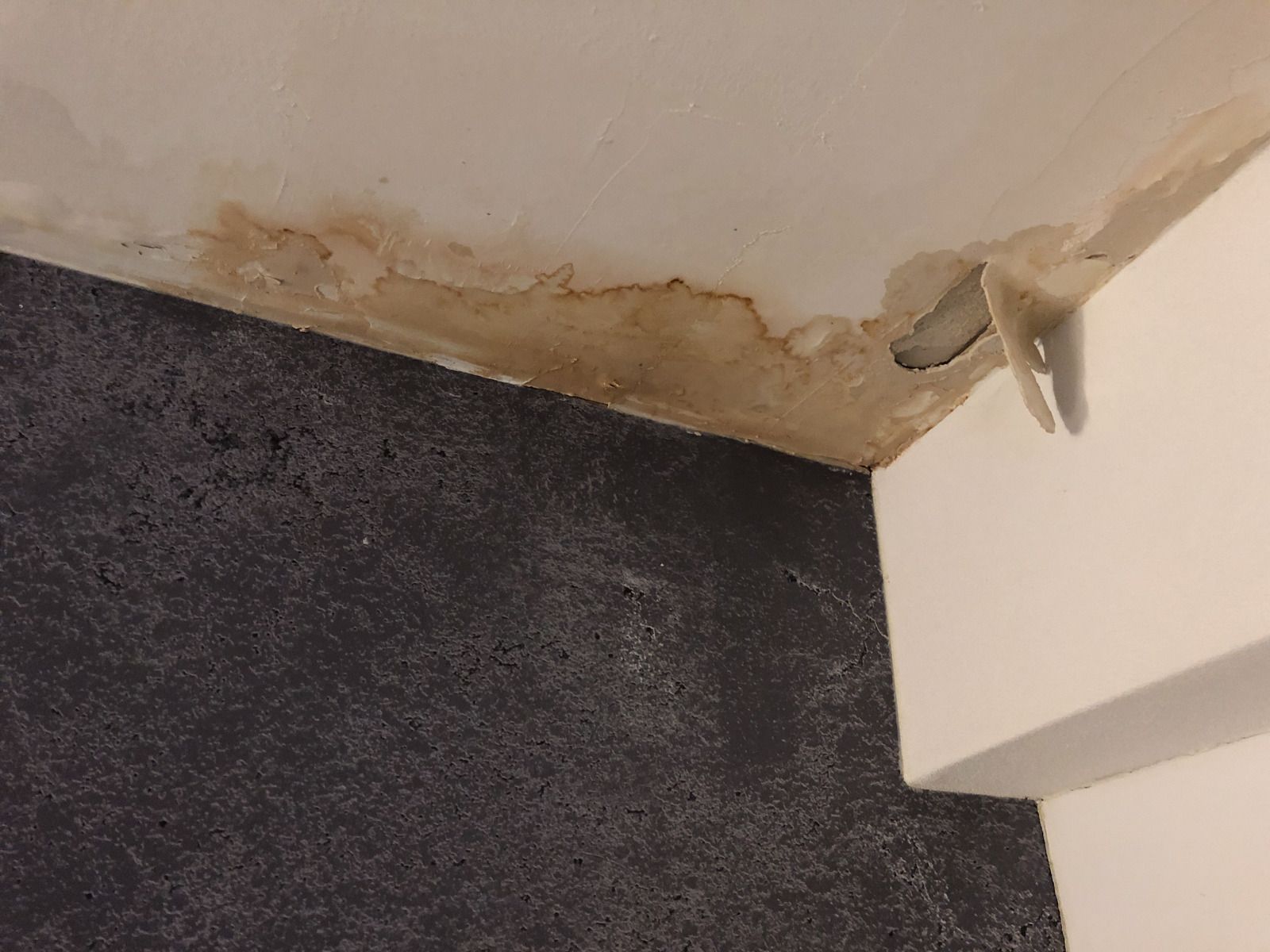
Quick Answer: A brown water ring on the ceiling after a storm means water traveled through the drywall, left minerals and tannins behind, and dried into that stain. The ring is a symptom of moisture above the surface, not a cosmetic flaw. Painting over it without finding the source, drying the cavity, and repairing the damaged drywall almost always brings the stain and the softness back. The right order is find the leak, dry everything, repair or replace the affected board, seal with a stain-blocking primer, then repaint.
The storm blew through overnight, and by morning there is a brown, coffee-colored ring spreading across the living room ceiling. Maybe it showed up fast and dark, or maybe you noticed a faint yellow halo that has quietly grown wider over a few humid weeks. Either way, the instinct is the same: grab a roller, cover it with the ceiling paint left over in the garage, and move on. In this part of Northeast Florida, where summer storms and tropical downpours push water into places it does not belong, that instinct is exactly what turns a small stain into a recurring headache.
A water ring on the ceiling is not a paint problem. It is a record of where water went. Understanding what the stain is telling you, and doing the work in the right order, is the difference between a ceiling that stays clean and one that keeps bleeding through every coat you put on it. Here is what is actually happening above that ring and why the drywall has to be addressed before the brush ever comes out.
What a Brown Ring on the Ceiling Is Actually Telling You
Drywall is porous. When water pushes through it from above, it carries minerals, rust, and organic tannins from the framing, insulation, and the paper facing of the board itself. As the water dries, those materials stay behind on the surface and oxidize into the brown or yellow tone you are looking at. The stain is essentially a high-water mark, showing you the outer edge of how far the moisture spread before it stopped.
That is why the color and the shape carry real information. A light brown or yellow stain usually points to newer, fresher moisture that just moved through. Darker, rust-toned stains suggest water that sat longer or ran across metal fasteners and ductwork on its way down. The ring itself, that classic halo with layered outlines, is one of the clearest signs of a recurring problem: water soaks the board, dries, then gets wet again during the next storm, and each cycle leaves another faint outline like a tide mark. A single circular spot tends to point to one direct drip source, while a jagged, spreading shape means the water traveled sideways across insulation or framing before it found a low spot to come through.
The stain is the end of the story, not the beginning. By the time you see brown on the ceiling, water has already moved through the assembly above it. On a coastal home that takes wind-driven rain from every hurricane season, the source is often a lifted shingle, a failed vent boot, or worn flashing, and the water can travel several feet along a rafter before it drips onto the drywall. That is why the stain you see rarely sits directly under the actual entry point.
Your Home Looks Outdated or Hasn’t Been Painted in Years
Most homes need repainting every 5–10 years, depending on climate, paint quality, and surface type. If it’s been a long time or you’re noticing faded colors, worn trim, or outdated finishes, it’s time to refresh.
A modern color palette instantly updates your home, boosts curb appeal, and creates a warm and welcoming interior.
Why Painting Over It First Is the Mistake That Comes Back
It is tempting to skip straight to the cover-up, especially when the stain is in a room you use every day. The problem is that ordinary ceiling paint is not designed to block a water stain, and paint does nothing about the moisture or the damaged board behind it.
Water stains bleed through standard paint
The tannins and minerals in a dried water ring are soluble, so latex ceiling paint reactivates and pulls them right back up. This is why homeowners repaint two, three, or four times and watch the brown ghost through.
Paint over damp or moldy drywall will not hold
If the board still holds moisture, or growth has started, fresh paint is going onto an unstable base. It is likely to peel, trapping the moisture problem behind a film that then blisters and lifts away.
Cosmetic cover-up hides a structural clock
Drywall loses strength when it stays wet. A ceiling quietly holding moisture can keep softening behind fresh paint until it sags, cracks, or lets go. Painting the ring buys weeks while the real problem keeps working.
What Has to Happen Before the Brush Comes Out
Doing this correctly is a sequence, and every step earns the one after it. Skip a step and the finish above it fails.
First, stop the source
Whether it is a roof penetration, worn flashing, a plumbing line, or an overflowing air handler drain pan, the water has to be stopped and confirmed dry before anything else. There is no point repairing drywall that is going to get wet again with the next storm.
Second, dry the cavity completely
Surface-dry is not the same as dry. The framing, insulation, and the back of the board can hold moisture you cannot see from below, which is why professionals use moisture meters and thermal imaging to confirm the assembly is actually dry rather than just dry to the touch. Insulation and porous materials that stayed saturated often cannot be salvaged and are removed so the space can dry out fully.
Third, assess the board honestly
Once everything is dry, the extent of the drywall damage becomes clear. Staining limited to the paper face or a small area can often be repaired in place. Board that was saturated, that has lost firmness in its core, or that shows surface growth needs to come out. Cutting back to sound, dry material is not overkill; it is what keeps the repair from reappearing.
When the Drywall Can Be Saved and When It Comes Out
Not every water-stained ceiling needs a section replaced, but plenty do, and knowing the line between the two keeps you from over-repairing or under-repairing.
Repairable in place
If the damage is a surface stain on board that is still firm and fully dry, the fix is usually cleaning, sealing, and refinishing rather than replacement. A dried, stable ring from an old and corrected leak often falls into this category.
Requires cut-out and replacement
Drywall that has been soaked and softened, that sags or crumbles, or that has visible growth on it is past the point of a surface fix. When affected material covers a larger area, removal and replacement is the sound approach, and porous items that absorbed water, like ceiling insulation, come out with it because moisture works its way into the crevices where it cannot be fully cleaned out.
WARNING: Do not paint, caulk, or texture over a surface that still shows growth from moisture. Coating an unclean, damp area seals the problem in rather than solving it, and the finish applied on top is likely to peel. The affected material has to be cleaned or removed and the area dried first. For anything beyond a small patch, or where the moisture spread widely through the ceiling, the safe move is to have the extent assessed and handled properly rather than covered.
How the Repair and Repaint Actually Go
Once the source is fixed and the space is dry, restoring the ceiling follows a disciplined order that ends with a finish that looks like nothing ever happened.
Cut out and replace the damaged section
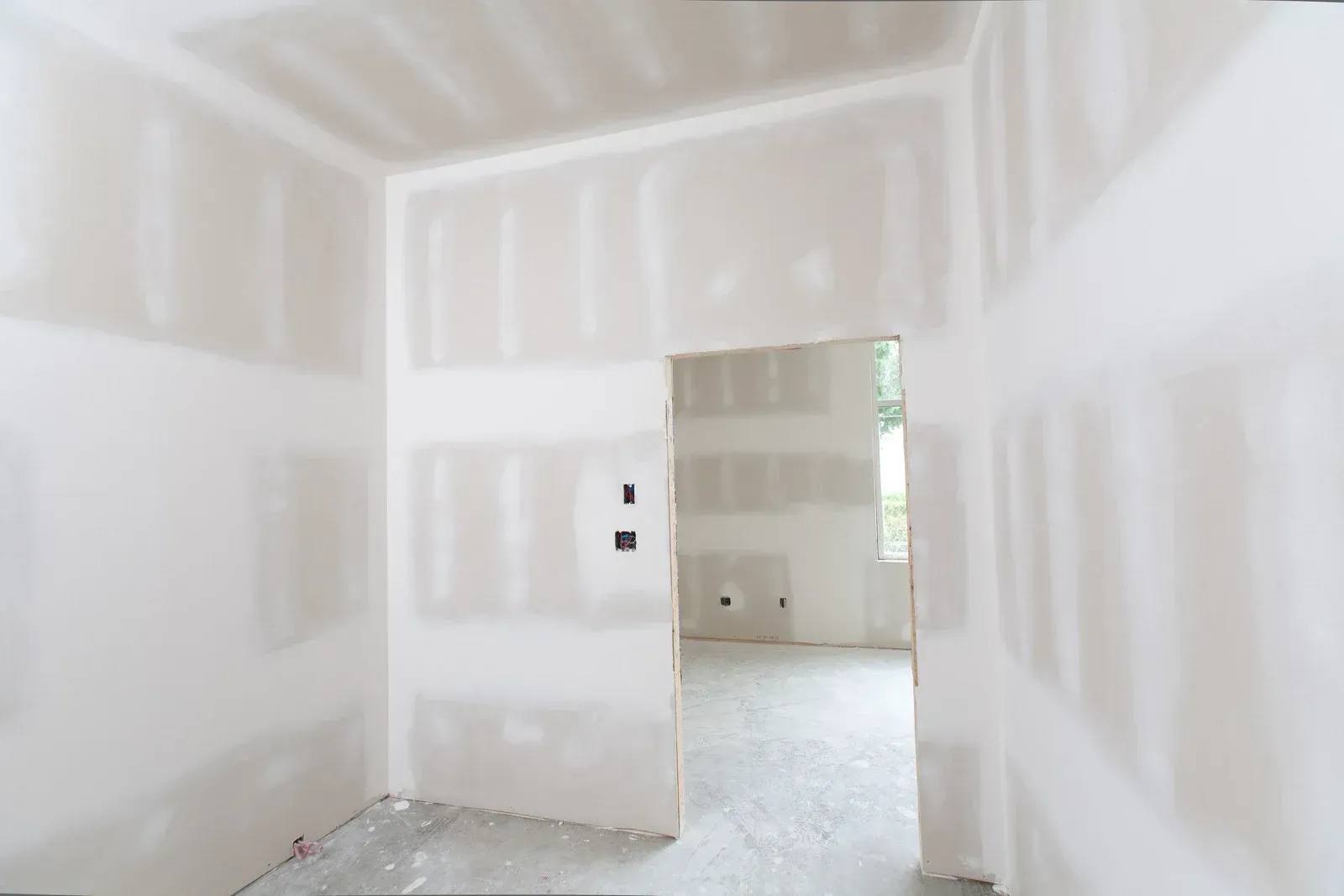
The compromised board is removed back to sound framing, and new drywall is cut, fitted, and fastened flush with the surrounding ceiling. Correct fastening here prevents the future cracking and movement that a rushed patch invites.
Tape, mud, and feather the joints
New seams are taped and built up with successive coats of joint compound, each feathered wider than the last. Every coat must dry fully before the next, and high Florida humidity stretches that timeline considerably.
Match the texture
Whether the ceiling is smooth, knockdown, or orange peel, the repaired area is textured to match the surrounding surface so the patch disappears. A texture that does not blend is an obvious sign of rushed work.
Seal with a stain-blocking primer
This step keeps the ring from returning. A shellac-based stain-blocking primer locks in water stains so they cannot bleed into the topcoat, and it gives fresh compound and bare board a uniform surface for paint.
Repaint to a clean, even finish
With the stain sealed and the surface primed, the ceiling is painted across the whole plane, not just the patched spot, so no halo of fresh paint surrounds an old field. The ceiling is genuinely restored.
Frequently Asked Questions
Can I just paint over a brown water ring on my ceiling?
Not with ordinary ceiling paint. The stain holds soluble minerals and tannins that bleed back through standard latex, so the ring returns. It must be dried, repaired, and sealed with a stain-blocking primer before repainting.
How do I know if the leak that caused the ring is still active?
Watch the stain. If it grows, darkens at the center, feels soft or damp, smells musty, or has paint peeling nearby, moisture remains. Photograph it and recheck after the next rain as the simplest test.
Does the drywall always have to be replaced after a ceiling leak?
No. A surface stain on board that stays firm and fully dry can often be sealed and refinished in place. Drywall that saturated, softened, sagged, or grew mold needs to be cut out and replaced.
Why does the stain keep coming back even after I repaint?
Two common reasons. Either the water source was never stopped, so fresh moisture reactivates the stain, or the coats were regular paint rather than a stain-blocking primer. Florida humidity can also lift an unsealed old stain.
How long should the ceiling dry before repair and paint?
The cavity must be confirmed dry with meters or thermal imaging, not a hand check. Thin compound coats dry within about 24 hours and thicker coats take 48 or more, with humidity extending both timelines.
What kind of primer actually blocks a water stain?
A shellac-based or oil-based stain-blocking primer. Shellac seals water and smoke stains so they cannot bleed into the topcoat, adheres without heavy sanding, and recoats quickly. Water-based sealers often let the stain migrate back through.
Getting the Ceiling Right, Not Just Covered
A brown ring on the ceiling after a storm is a moisture story, not a paint story. It marks where water traveled through the drywall, and the shape and color tell you whether the leak is fresh, recurring, or already dry. Reaching for a roller first only hides the symptom while the real problem, a leak that may still be live and board that may still be wet, keeps working out of sight. The finish that lasts is the one built in the right order: stop the source, dry the assembly completely, repair or replace the affected drywall, match the texture, seal the stain with the correct primer, and only then repaint. Handled that way, the ceiling looks like the storm never happened, and it stays that way.
Schedule a
ceiling water-damage
assessment before you repaint — Protect your home from a stain that keeps bleeding back and a ceiling that keeps softening by having the moisture source, the drywall, and the finish handled in the correct order. Serving Bryceville and throughout Duval County, Pristine Painting And Restoration
traces the source, confirms the cavity is dry, cuts out and replaces compromised board, matches your ceiling texture, seals the stain with a stain-blocking primer, and repaints to an even, lasting finish, backed by 23
years of veteran-owned, licensed experience and a documented, transparent scope. Reach out to book your assessment and get a ceiling that is truly restored, not just covered.