Common Drywall Issues and How to Spot Them Before They Get Worse
June 30, 2026
You walk into the spare bedroom and spot a thin crack running from the top corner of the doorframe toward the ceiling. It wasn't there last month. Or maybe it's a brown ring spreading across the ceiling over the bathroom, the kind of stain that creeps a little wider every time it rains. Either way, your gut says this isn't only cosmetic.
Here's what you need to hear first. Most drywall problems move slowly. The crack, the bulge, the stain, all of them give you weeks or months of warning before they turn into a real repair. Catch the signal early and you're patching a small spot. Miss it and you could be cutting out wet board and chasing mold. After years of opening up walls across North Florida, we'll tell you the damage on the surface is rarely the whole story.
Spot a Problem? Do This First
Before you reach for a putty knife, find out whether the wall is dry or wet. Press your fingers flat against the damaged spot. Soft, cool, or spongy means water is involved and the whole repair changes. Firm and dry usually points to movement instead.
Then take a photo and draw a light pencil line at the edge of the damage. Check it in a week. If the crack or stain crossed your line, the cause is still active.
WARNING: If a ceiling is sagging or bulging, especially if it feels heavy or damp, stay out from under it. Wet drywall holds far more weight than it looks, and a soaked panel can let go all at once. Keep kids and pets clear and call a professional first.
TIP: Run a moisture meter across the stained area and the dry wall beside it. A sharp jump in the reading points you to an active leak, so you fix the source instead of painting over the symptom.
What's Really Going On Behind the Wall
Most drywall damage starts with movement, and the usual culprit is your house settling and shifting with the seasons. Gypsum board is pressed chalk wrapped in paper. It's rigid, so when the framing behind it moves even a fraction of an inch, the board can't flex with it. The stress finds the weakest point, usually a seam or the corner above a door, and cracks there first.
Fastener pops are next. Those little round bumps appear when humidity swings make the studs swell and shrink, slowly backing a nail or screw out until it tents the paper.
Water does the most damage the fastest. A roof leak, a sweating AC line, or condensation inside a humid wall cavity softens the paper facing and breaks down the core. Once the board drinks up water, it loses strength and sags.
And then there's the install itself. Too few screws or a rushed tape job will crack within a year no matter how steady the house is. We pull back plenty of failed seams and find only a thin skim of compound holding them.
Your Home Looks Outdated or Hasn’t Been Painted in Years
Most homes need repainting every 5–10 years, depending on climate, paint quality, and surface type. If it’s been a long time or you’re noticing faded colors, worn trim, or outdated finishes, it’s time to refresh.
A modern color palette instantly updates your home, boosts curb appeal, and creates a warm and welcoming interior.
Reading the Signs Before They Spread
The shape of the damage tells you almost everything. A straight crack that follows a seam, running clean across a ceiling or down a wall, usually means a tape joint failed. Annoying, but minor. A jagged crack shooting diagonally from a door or window corner is a movement crack, and if it reopens after you patch it, the framing is still shifting.
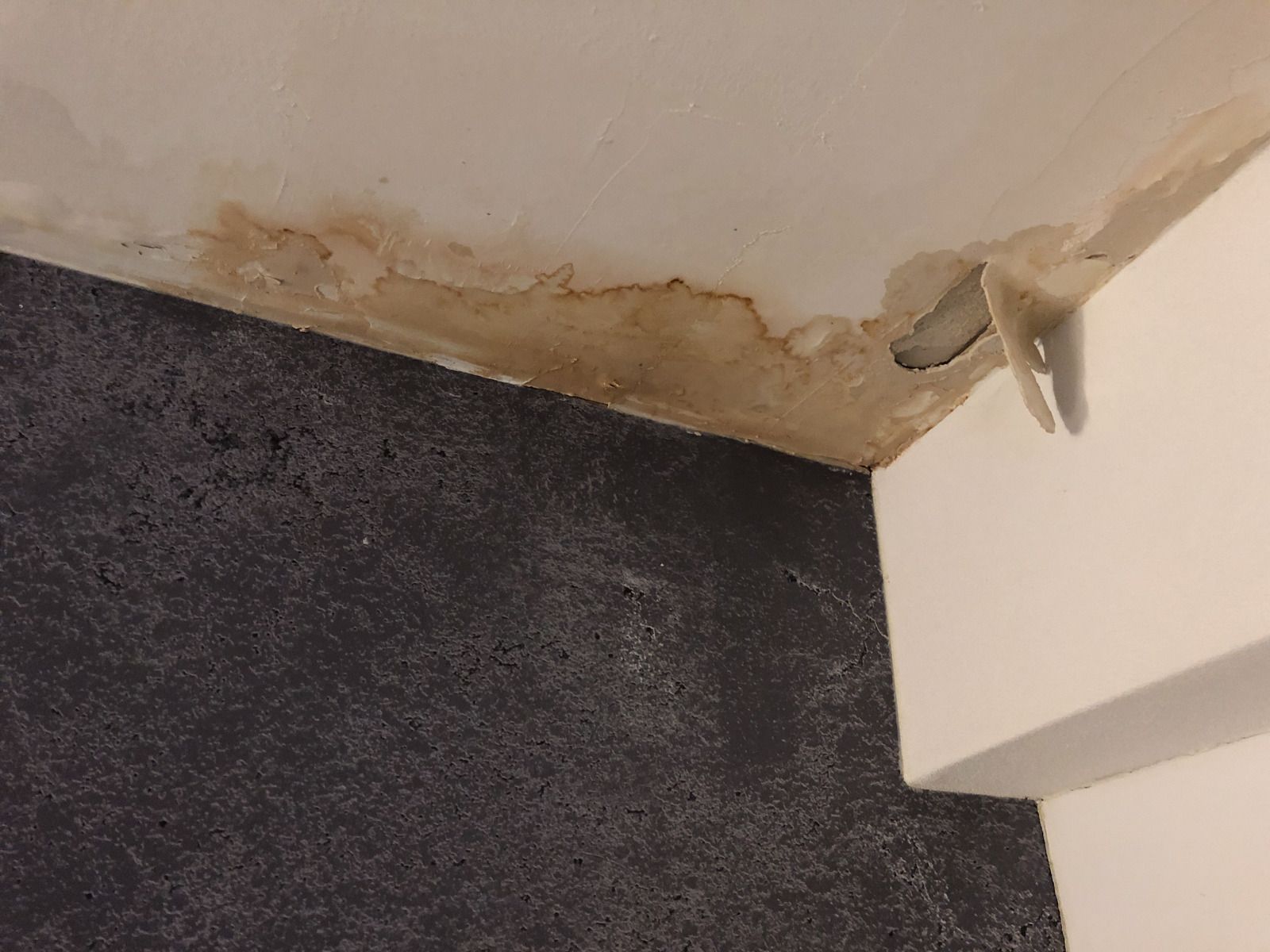
Round bumps in neat rows along a stud line are fastener pops. A brown or yellow ring with a darker center is water, and that ring grows outward while the leak runs. Bubbling paint means moisture is trapped behind the surface.
The early warning most people miss is the hairline crack that returns in the same spot every summer. That seasonal pattern means something moves with the humidity. We've inspected hundreds of these. Caught while they're still hairline, they almost always patch clean. Ignored for two or three seasons, they usually need the seam cut out and retaped.
Fixing It Right, Not Just Fast
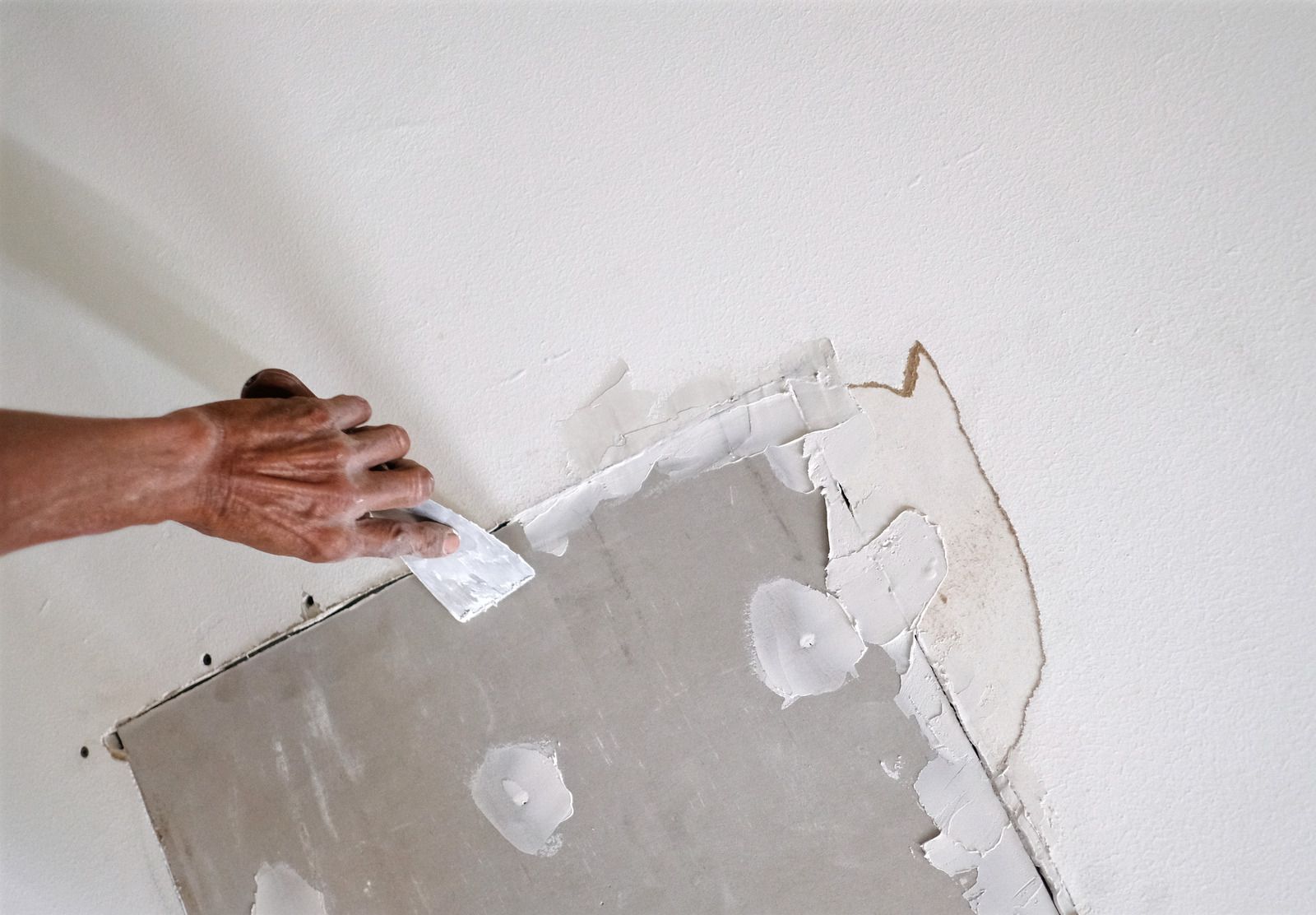
A hairline crack or a single popped nail is a fine weekend job for most homeowners. For a fastener pop, drive a fresh screw about an inch and a half above the old one to grab solid wood, then set the popped nail and cover both with two thin coats of compound. For a thin crack, widen it into a shallow V, fill it, tape it, and feather the edges. Patience with the sanding matters more than skill.
The repairs to hand off involve water or sagging. Cutting out a soaked panel, stopping the leak, treating mold, and matching texture is detailed work, and a rushed job traps moisture behind a fresh patch.
Honest answer: sometimes a simple patch holds for years, and sometimes it hides a leak still running behind the wall. The tell is whether the damage stays gone. If it comes back in the same spot, the cause was never fixed.
Why Drywall Struggles in Duval County
Humidity is the quiet force working against every wall around here. We sit in the high seventies for humidity most of the year, and that moisture never really leaves the air. Gypsum board pulls vapor straight out of it, swells, then shrinks when the AC runs hard. That daily push and pull is why fastener pops and seam cracks show up faster here than in drier states.
Storm season makes it worse. Wind driven rain from summer squalls and the odd tropical system finds its way through roof flashing and around windows, and the first sign is usually a ceiling stain. Every year the heavy rains bring a wave of water damage.
Slab on grade homes are everywhere across the area, and that foundation moves with our sandy soil as it wets and dries, pushing hairline cracks up over doorways. None of this is strange here. It's just how walls behave in a hot, wet place.
How to Keep Small Problems Small
Most drywall damage is preventable if you keep moisture in check and catch movement early. Once a month, run your eye along ceiling lines and the corners above doors and windows, the spots that crack first. After any heavy storm, scan ceilings and exterior walls for fresh staining while it's still easy to trace.
Once a year, clear your AC condensate line and look for sweating supply lines inside closets and behind vanities. In our climate, holding indoor humidity steady protects your walls more than any patch.
The mistake we see most is painting over a water stain without finding the leak. It buys a few weeks, then the stain bleeds back and the board behind it keeps rotting. Another is patching a moving crack with rigid compound and no tape, so it splits open the next humid season. Plenty of people also wait until a soft ceiling spot becomes a hole, and by then a quick patch has turned into replacing whole panels.
Frequently Asked Questions
How do I know if a drywall crack is serious?
Watch its shape and behavior. Thin cracks along seams are usually minor. Wide, jagged cracks that climb diagonally from door corners and keep reopening after patching signal active movement underneath. Mark the edge with a pencil, and if it grows within weeks, just call us.
Can I just paint over a water stain on my ceiling?
Only after you stop the leak. Paint hides the stain for a few weeks, then moisture bleeds back through and the board behind keeps softening. Find and fix the source first, let everything dry fully, then prime it with a good stain blocker before repainting.
Why do nail pops keep coming back in my walls?
Humidity is the usual reason here. As wood studs swell and shrink with seasonal moisture, that motion slowly pushes fasteners outward until the paper tents. Resetting the same nail rarely lasts. We add a screw nearby into solid framing, which holds far better long term.
Is a sagging drywall ceiling dangerous?
Treat it as urgent. A ceiling panel that bows or feels damp is usually holding trapped water, and saturated drywall weighs far more than it looks. It can drop without warning. Stay out from underneath, keep pets and kids clear, and get it inspected quickly.
Why does drywall damage seem worse in Florida homes?
Our climate is the difference. High humidity year round makes gypsum board swell and shrink daily, while summer storms drive rain through roofs and windows. Sandy soil under slab foundations shifts as it dries, cracking walls above doorways. Our walls here simply take more abuse.
Expert Drywall Restoration Duval County Homeowners Rely On
The one rule worth keeping is simple. Watch how the damage behaves, because a crack or stain that keeps growing is pointing at a cause that's still active. In our hot, humid corner of Florida, walls move and soak up moisture more than almost anywhere, so small problems grow into big ones faster than people expect. With years of restoration experience, Pristine Painting And Restoration repairs drywall the right way, from finding the leak to matching your texture, for homeowners in Bryceville, Jacksonville, Oceanway, Baldwin, and throughout Duval County. When a crack or stain won't quit, reach out and we'll find what's really behind it.