The Ultimate Guide to Choosing the Perfect Paint Colors for Your Home or Business
December 30, 2025
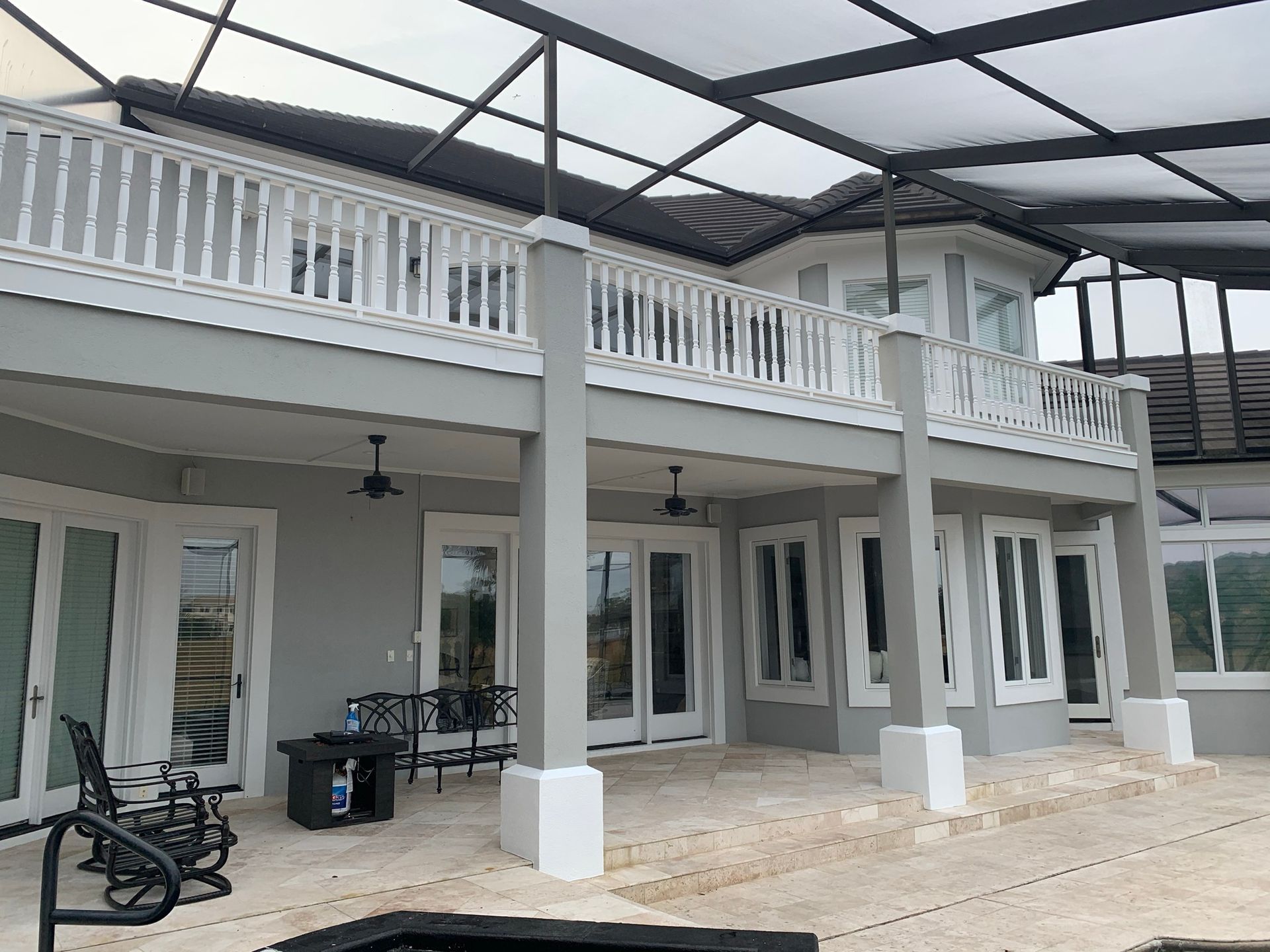
Selecting the right paint colors is one of the most impactful decisions when it comes to enhancing the aesthetic appeal and overall ambiance of a home or business. Whether you are renovating a single room, repainting the exterior, or designing a brand-new commercial space, color plays a critical role in shaping perception, influencing mood, and creating a cohesive design experience. The right hues can evoke comfort, energy, or professionalism, while poorly chosen shades may diminish the visual appeal or even affect functionality. In an era where design trends evolve rapidly, understanding how to select paint colors that reflect both personality and purpose has become increasingly important.
Beyond aesthetics, color choice also carries practical implications. For homeowners, selecting harmonious colors can boost property value and make interiors feel more inviting. For businesses, strategic color selection can influence customer behavior, convey brand identity, and enhance employee productivity. With an overwhelming number of paint options available today, from traditional shades to contemporary finishes, making an informed choice requires careful planning, research, and understanding of color psychology. This guide provides expert insights and actionable strategies to help you confidently select the perfect paint colors that suit your space, style, and objectives.
Understanding Color Psychology and Its Impact
The Science Behind Colors
Colors are more than mere visual elements—they carry psychological weight that affects emotions, behavior, and perceptions. For instance, warm colors like reds, oranges, and yellows often evoke energy, passion, or warmth, making them suitable for social areas such as living rooms or lobbies. In contrast, cool colors like blues, greens, and purples are calming, promoting relaxation and focus, ideal for bedrooms, offices, or healthcare environments. Recognizing these psychological effects allows you to create spaces that align with your intended atmosphere and purpose.
Practical Applications in Homes and Businesses
In residential spaces, the psychology of color can enhance comfort and mood. A serene bedroom painted in muted blue tones encourages restful sleep, while a vibrant kitchen with subtle yellows stimulates appetite and social interaction. In commercial spaces, color psychology contributes to branding and productivity. For example, tech companies often incorporate blue to convey trust and efficiency, whereas creative studios may use bright, bold tones to inspire innovation. By understanding how colors influence emotions, you can make decisions that go beyond aesthetics, aligning your paint choices with functional goals.
Assessing Your Space Before Choosing Colors
Evaluating Lighting Conditions
Lighting plays a critical role in how paint colors appear. Natural light can enhance or mute shades, while artificial lighting—whether warm, cool, or LED—alters perception. A color that looks vibrant under sunlight may appear dull under fluorescent office lights. Assessing your space during different times of the day and under varying lighting conditions ensures your chosen color remains visually appealing throughout.
Analyzing Existing Decor and Furniture
Existing furniture, flooring, and fixtures should guide your color choices. Coordinating paint with upholstery, cabinetry, or countertops ensures a cohesive design. Neutral bases allow flexibility in adding accent colors, while complementary palettes create harmonious visual appeal. For commercial spaces, consider branding elements, signage, and flooring when selecting colors to maintain consistency with your overall identity.
Considering Room Size and Architecture
Spatial dynamics influence color perception. Lighter hues tend to make small rooms appear larger and more open, while darker tones add coziness and sophistication to expansive areas. Architectural features such as crown molding, ceiling height, and wall texture also interact with color. For instance, textured walls may cast shadows that change the appearance of certain shades, while high ceilings benefit from bold accent colors to create balance. Taking room size and architectural elements into account helps prevent mismatched or overwhelming color schemes.
Exploring Color Combinations and Schemes
Monochromatic and Analogous Schemes
Monochromatic schemes use varying shades of the same color, creating subtle sophistication and simplicity. Analogous schemes combine neighboring colors on the color wheel, producing harmony without monotony. These approaches are ideal for creating unified, relaxing interiors in homes or professional environments, ensuring spaces feel balanced and aesthetically pleasing.
Neutral palettes often improve resale potential because they create broader buyer appeal. Meanwhile, carefully selected accent colors can add personality without overwhelming the space. Professional painters understand these design principles and guide homeowners toward practical, long-term choices.
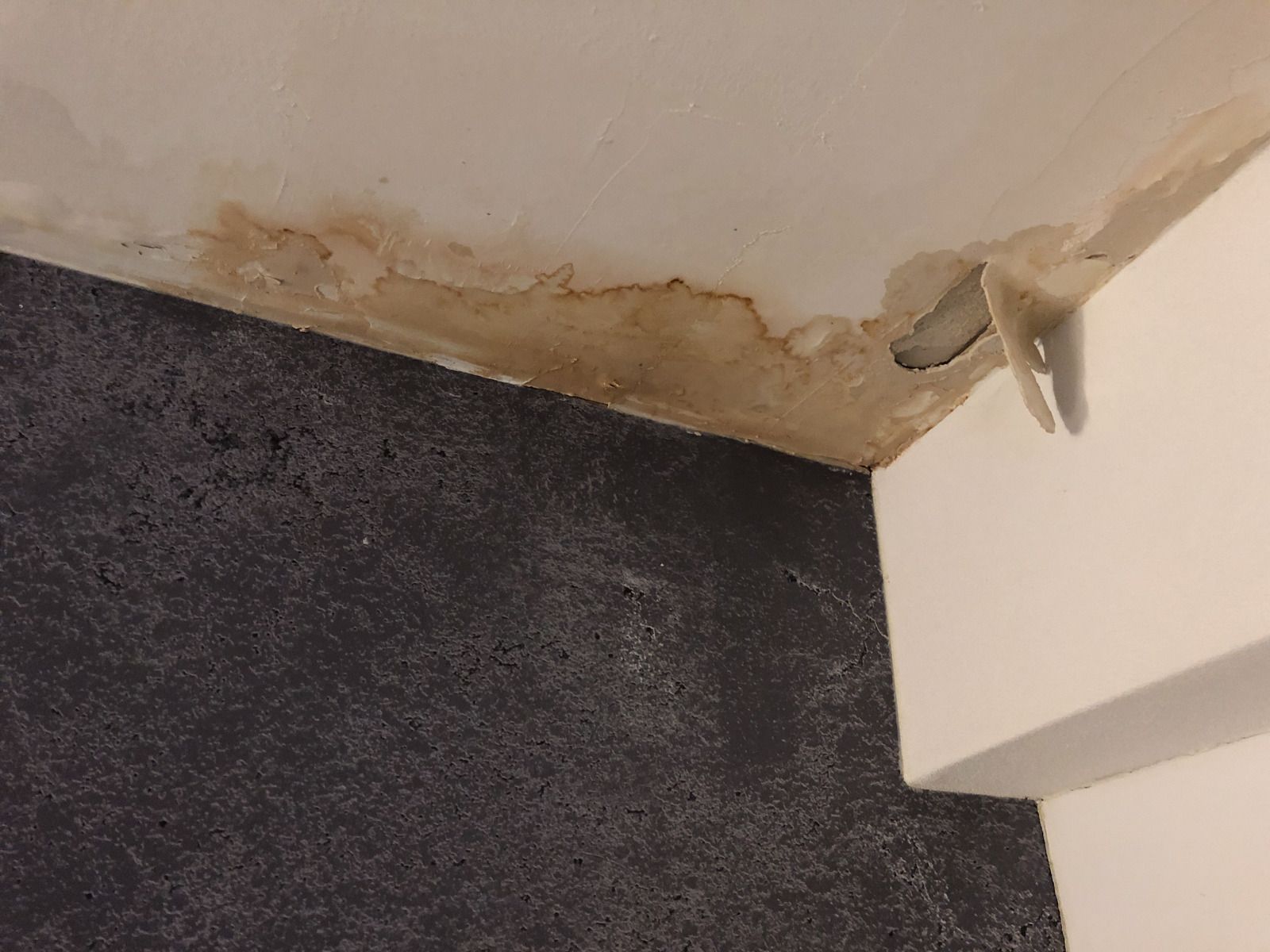
Well-painted interiors also create a cleaner and more maintained appearance. Smooth walls, sharp trim lines, and even finishes make rooms feel newer and more inviting. Poorly painted walls with drips, uneven coverage, or visible repairs can reduce the overall impression of the property.
Complementary and Triadic Schemes
Complementary color schemes pair opposite colors on the color wheel, generating striking contrast that draws attention and highlights focal points. Triadic schemes involve three evenly spaced colors, offering vibrant yet balanced combinations. These strategies work well in accent walls, branding spaces, or areas designed to energize and engage occupants. Using these methods strategically helps avoid clashing colors while introducing depth and interest.
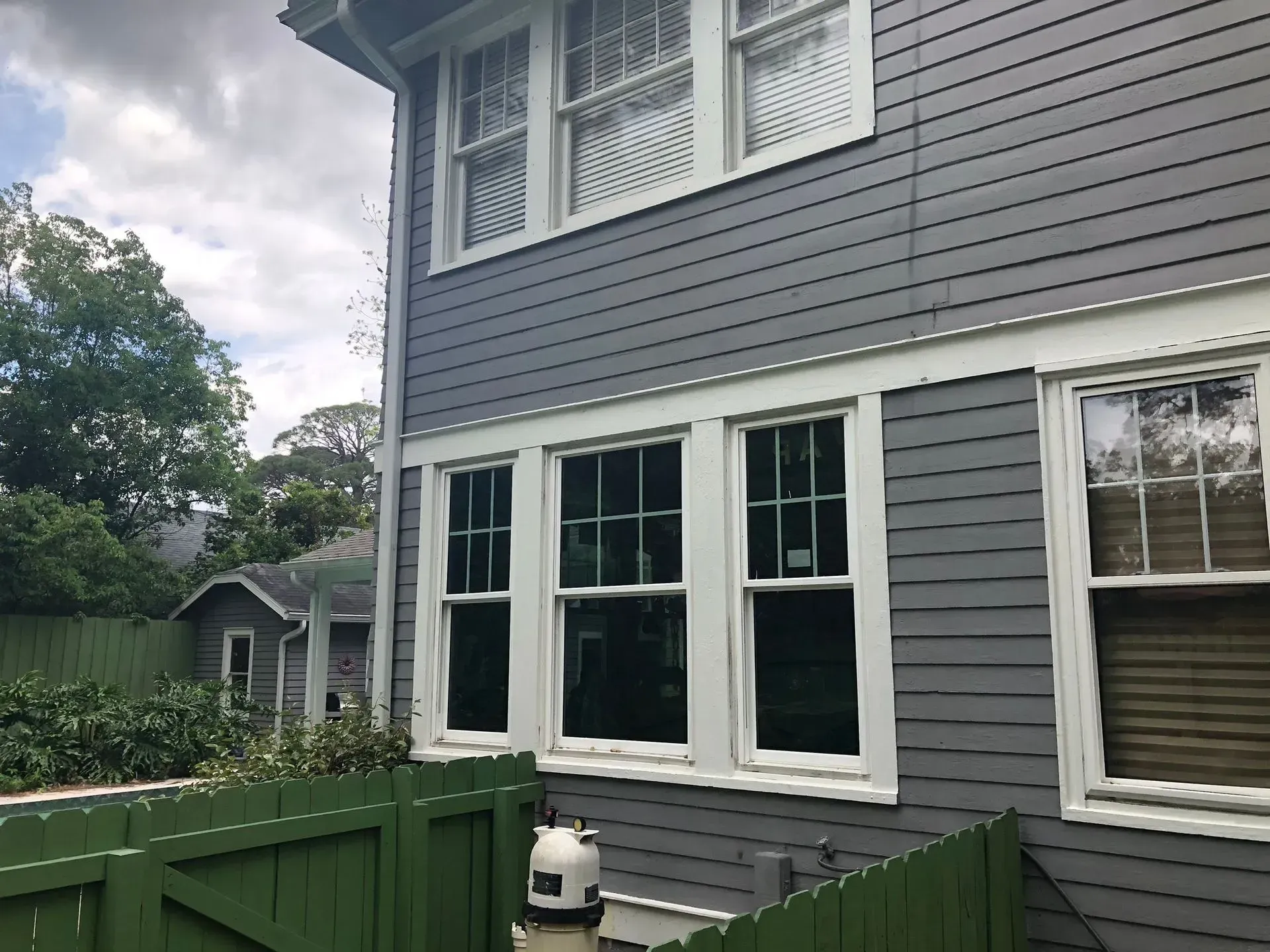
Real estate professionals often note that exterior appearance strongly influences buyer interest and perceived property value. Homes with fresh exterior paint tend to attract more attention and create stronger first impressions during showings.
Professional painters also help coordinate exterior color schemes that match roofing materials, landscaping, stonework, and surrounding architecture. This balanced approach improves visual harmony across the entire property.
Using Neutral Colors as a Base
Neutral colors—such as beige, gray, white, or taupe—serve as versatile backdrops, allowing accent colors to shine. They are timeless, adaptable, and suitable for both homes and businesses. Neutral walls can support seasonal decor updates, rotate accents, and provide flexibility in multi-purpose spaces. Leveraging neutrals reduces the risk of overwhelming a space while maintaining elegance and visual appeal.
Your Home Looks Outdated or Hasn’t Been Painted in Years
Most homes need repainting every 5–10 years, depending on climate, paint quality, and surface type. If it’s been a long time or you’re noticing faded colors, worn trim, or outdated finishes, it’s time to refresh.
A modern color palette instantly updates your home, boosts curb appeal, and creates a warm and welcoming interior.
Testing and Visualizing Paint Colors
Sampling Paints Effectively
Testing colors before committing to a full paint job is crucial. Purchase small sample pots and apply them to multiple walls to observe how they interact with light, furniture, and decor. Paint larger swatches rather than small patches, as this gives a more accurate representation. Multiple layers can also affect the final hue, so applying samples in the same finish you plan to use ensures consistency.
Using Digital Tools and Visualization Apps
Many paint brands and home design software offer digital visualization tools that simulate how colors will look in specific spaces. These apps allow you to test combinations, lighting effects, and finishes virtually. While not a substitute for physical samples, digital tools help narrow choices and gain confidence in your selections before committing.
Observing Real-World Scenarios
Consider how colors perform under different circumstances. For example, a light gray office wall may feel welcoming during the day but cold under evening lighting. In homes, kitchen cabinets painted in bold colors may clash with natural wood tones or stainless steel appliances. Evaluating colors in real-world scenarios minimizes costly mistakes and ensures long-term satisfaction.
Choosing the Right Finish and Paint Type
Understanding Different Finishes
Paint finishes affect both aesthetics and functionality. Matte or flat finishes conceal imperfections but may be harder to clean, making them ideal for low-traffic areas. Satin and eggshell finishes offer a balance of durability and subtle sheen, suitable for living rooms or hallways. Semi-gloss and high-gloss finishes reflect more light, are easier to clean, and work well in kitchens, bathrooms, or commercial high-touch areas. Selecting the right finish enhances both appearance and performance.
Selecting the Appropriate Paint Type
Different paint types cater to specific requirements. Acrylic latex paints are versatile, durable, and suitable for most interior walls. Oil-based paints provide a glossy finish and are highly durable, often used for trim, doors, or cabinetry. Specialty paints, such as stain-resistant, moisture-proof, or fire-retardant options, serve specific functional needs in homes or commercial buildings. Matching paint type to purpose ensures longevity and effectiveness.
Balancing Aesthetics and Maintenance
High-traffic areas demand paints that resist wear, stains, and fading, while decorative spaces may prioritize color richness over durability. Consider your lifestyle, usage patterns, and maintenance capabilities when choosing finishes and types. Expert guidance can help balance aesthetic goals with practical needs, ensuring long-lasting results.
Expert Tips for Achieving Cohesive Color Schemes
Incorporating Accent Walls
Accent walls introduce bold colors without overwhelming the entire space. They draw focus to architectural features, create visual interest, and add personality. In homes, accent walls can highlight a fireplace, dining area, or bedroom headboard. In businesses, they emphasize branding elements, display areas, or conference rooms. Thoughtful placement enhances overall design coherence.
Using Color to Influence Mood and Perception
Strategically applying colors can enhance functionality. Warm tones energize meeting rooms or play areas, while cool tones calm waiting areas or bedrooms. Bright, vibrant shades encourage creativity in studios, while muted palettes improve concentration in offices. Understanding the emotional impact of color ensures spaces support intended activities.
Harmonizing Interior and Exterior Colors
For homeowners and business owners, ensuring the exterior palette complements interior colors creates a seamless transition and improves curb appeal. Consider the surrounding environment, architectural style, and landscape when selecting exterior shades. Coordinated color choices enhance property aesthetics, making spaces feel intentional and well-designed.
Staying Updated with Trends and Timeless Choices
While trendy colors can modernize a space, timeless neutrals and classic combinations maintain long-term appeal. Blending current trends with foundational colors allows flexibility and prevents frequent repainting. Consulting design professionals or color specialists ensures informed decisions that balance modern aesthetics with lasting value.
Trusted Painting Specialists Enhancing Every Interior and Exterior
Choosing the perfect paint colors is both an art and a science, combining aesthetics, psychology, functionality, and spatial awareness. From understanding color psychology to assessing lighting, room dimensions, and existing decor, every factor contributes to creating visually harmonious and purpose-driven spaces. Thoughtful application of color schemes, finishes, and expert visualization techniques minimizes errors and enhances both residential and commercial environments. By strategically selecting colors, you can improve ambiance, convey identity, and influence occupant experience, making color selection a crucial aspect of any painting project.
Pristine Painting And Restoration, based in Bryceville and serving Duval County, has extensive experience in guiding clients through the complex process of choosing the perfect paint colors. With several years of dedicated service, our team combines technical expertise with a deep understanding of design principles to deliver results that exceed expectations. Whether it’s residential or commercial projects, we provide personalized consultation, precise application, and professional finishing that transforms spaces into visually stunning, functional environments. Trust Pristine Painting And Restoration to turn your color vision into reality with quality, reliability, and unparalleled attention to detail.