Step-by-Step: What to Expect When You Schedule a Painting Service with Experts
March 27, 2026
Hiring a professional painting service is more than a cosmetic upgrade; it is a structured process designed to protect surfaces, enhance aesthetics, and deliver long-term value. Whether for a residential or commercial property, expert painting follows a deliberate sequence that ensures consistent results, minimizes disruption, and avoids costly mistakes. Understanding what happens at each stage helps property owners make informed decisions and set realistic expectations from the start. This approach also reduces stress by clarifying timelines, responsibilities, and outcomes before work begins, creating a smoother experience for everyone involved.
Many people assume painting is simply about applying color, but professional services involve assessment, planning, surface preparation, execution, and quality control. Each step plays a critical role in durability, finish quality, and overall satisfaction. When clients know what to expect, communication improves, timelines are clearer, and the final outcome aligns with both functional and visual goals. This guide breaks down the entire process step by step, offering insight into how experts approach painting projects and why their methods matter. From the initial consultation to the final walkthrough, this article explains how professional painters deliver reliable, high-quality results while protecting your investment and ensuring a smooth, stress-free experience built on expertise and accountability.
1. Initial Consultation and Project Evaluation
Understanding Client Goals and Property Needs
The first step in scheduling a professional painting service is a detailed consultation. During this phase, experts focus on understanding the client’s objectives, whether refreshing interiors, improving curb appeal, or protecting exterior surfaces from environmental wear. Painters ask targeted questions about color preferences, usage patterns, timelines, and budget considerations before formal planning begins and approval.
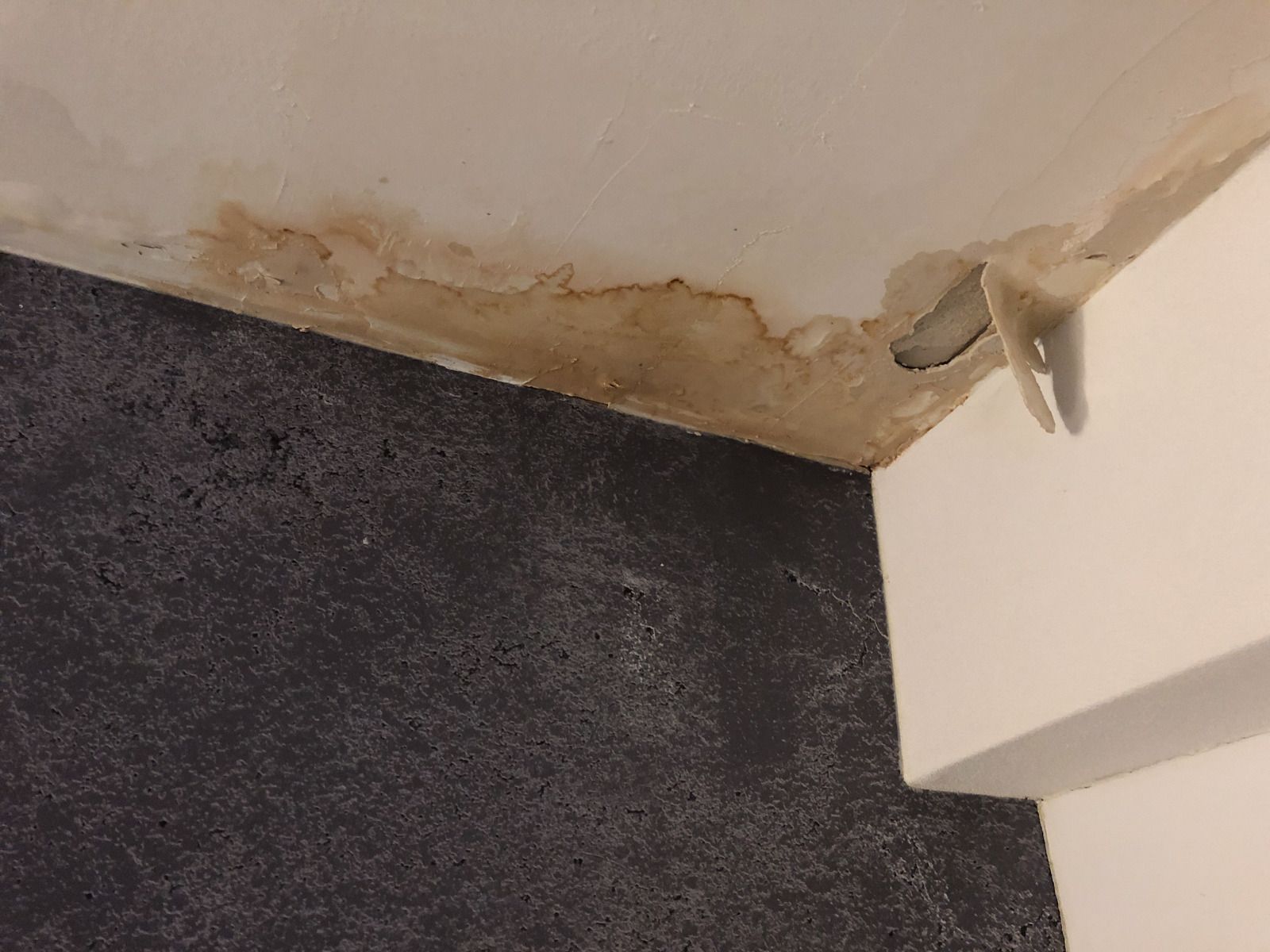
A thorough evaluation of the property follows. Professionals inspect wall conditions, existing coatings, moisture exposure, and structural factors that may influence paint performance. Exterior surfaces may show peeling from sun exposure, while interiors reveal cracks caused by settling. Identifying issues early prevents surprises later and allows accurate planning across residential and commercial painting projects overall.
Accurate Estimates and Transparent Planning
After the evaluation, the service provider prepares a detailed estimate. This document outlines labor, materials, surface preparation, and project duration clearly. Transparent pricing builds trust and helps clients understand what they are paying for. Professionals explain why specific steps or materials are necessary, setting expectations before work begins through open communication and written documentation provided.
2. Color Selection and Material Planning
Choosing the Right Colors for Function and Style
Color selection is both an aesthetic and functional decision. Professionals guide clients by considering lighting, room size, architectural features, and intended space use. Lighter tones make small rooms feel larger, while darker hues add depth and formality to expansive areas, ensuring visual balance and comfort across residential interiors, offices, retail environments, and shared spaces overall.
Experts also consider long-term appeal when recommending colors. Trends change quickly, but professionals suggest timeless palettes that maintain value. In commercial environments, color choices may reflect branding or influence customer perception, making expert guidance essential for consistent messaging and professional presentation across offices, storefronts, hospitality settings, healthcare facilities, schools, and public-facing interior and exterior spaces.
Selecting High-Quality Paints and Materials
Beyond color, material selection directly affects durability and performance. Professionals choose paints based on surface type, exposure conditions, and usage demands. High-traffic areas need washable finishes, while exterior surfaces require coatings designed to resist UV rays, moisture, and temperature changes, ensuring long-term protection, reduced maintenance, consistent appearance, and reliable performance across changing environmental conditions year-round.
Using premium materials reduces maintenance frequency and extends paint lifespan. Higher-quality products provide better coverage, adhesion, and color retention. Professionals explain these choices clearly, helping clients understand how initial investment leads to long-term savings, improved durability, and consistent visual results across residential, commercial, interior, exterior, short-term, and high-exposure painting projects over time with confidence built.
3. Surface Preparation: The Foundation of Quality
Cleaning, Repairing, and Priming Surfaces
Surface preparation is where professional painting truly differs from amateur work. Before paint application, surfaces are cleaned to remove dirt, grease, and mildew that hinder adhesion. This step is essential for exterior projects exposed to weather and interior spaces requiring long-lasting finishes that perform consistently under daily use, moisture, sunlight, and environmental stress factors overall.
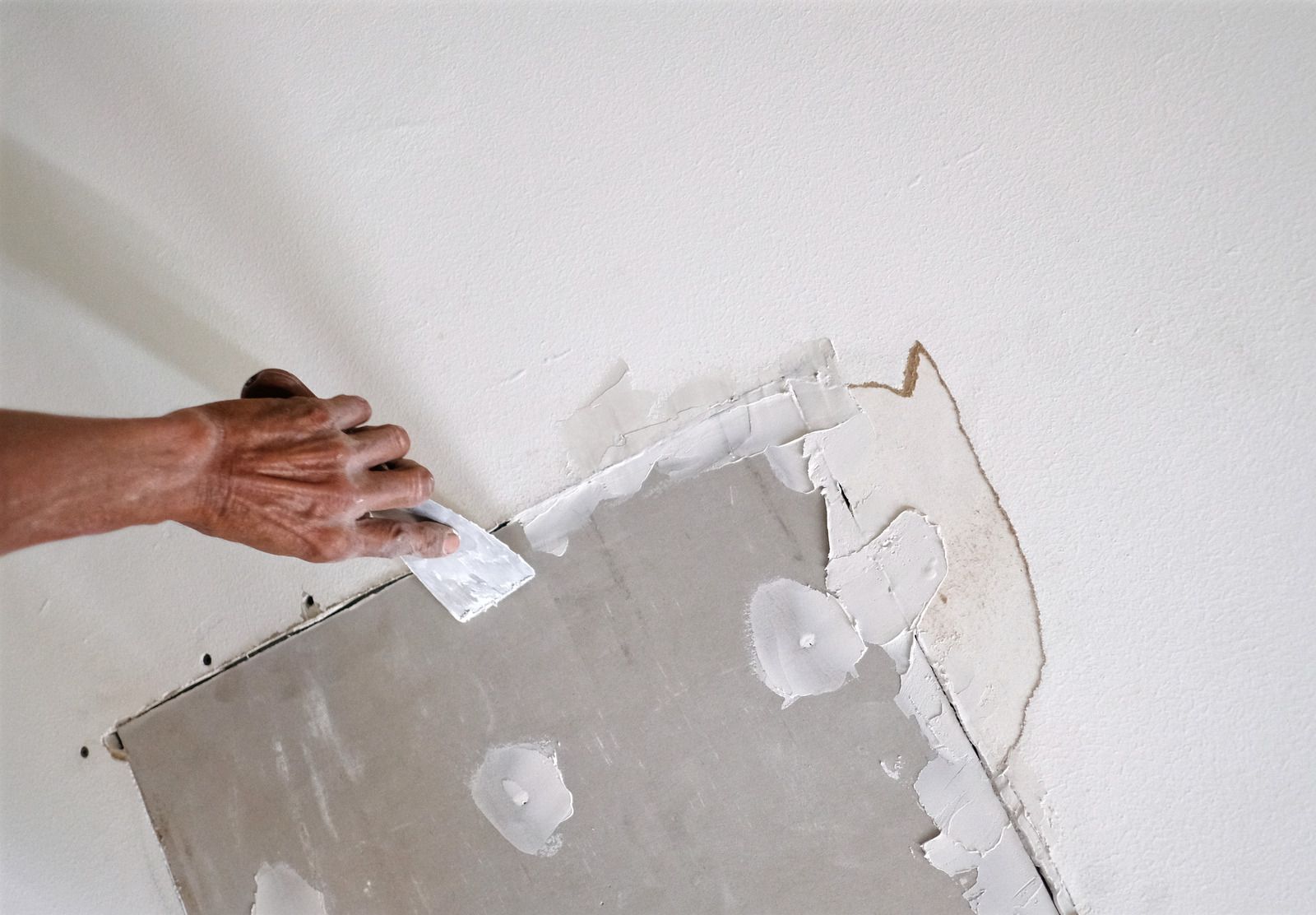
After cleaning, professionals complete necessary repairs. Cracks, holes, peeling paint, and uneven textures are corrected to create a smooth surface. Primer is then applied to seal materials, enhance adhesion, and ensure uniform color, preventing premature failures like bubbling or flaking that compromise appearance, durability, adhesion, and long-term paint performance across interior and exterior surfaces consistently.
Protecting Surrounding Areas
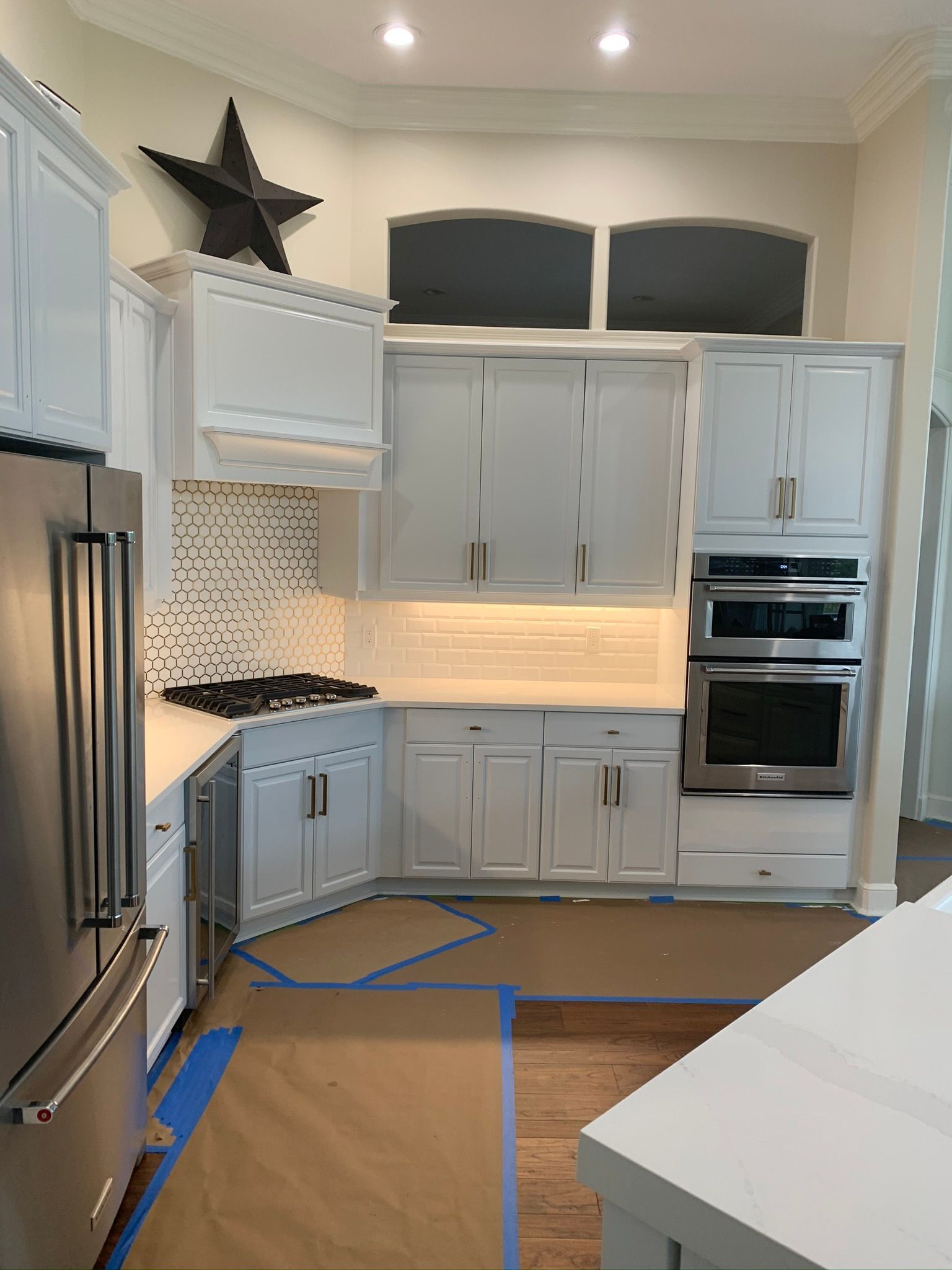
Preparation also includes protecting surrounding areas. Floors, furniture, fixtures, and landscaping are covered using drop cloths, masking tape, and plastic sheeting. This careful protection prevents damage, reduces cleanup time, and demonstrates professional respect for the client’s property throughout the project, ensuring safety, cleanliness, organization, minimal disruption, and smooth workflow during every phase of painting work.
Your Home Looks Outdated or Hasn’t Been Painted in Years
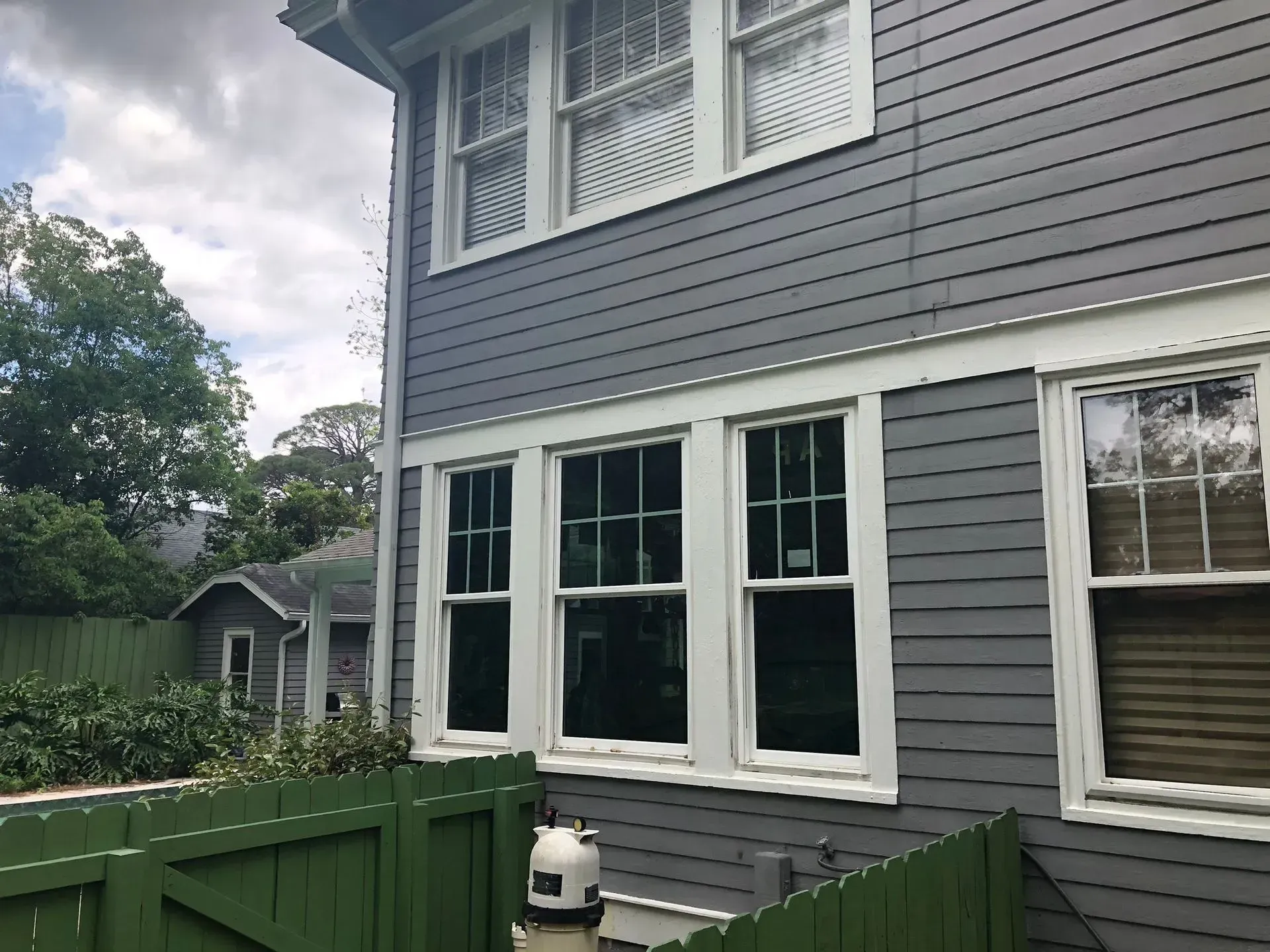
Most homes need repainting every 5–10 years, depending on climate, paint quality, and surface type. If it’s been a long time or you’re noticing faded colors, worn trim, or outdated finishes, it’s time to refresh.
A modern color palette instantly updates your home, boosts curb appeal, and creates a warm and welcoming interior.
4. Professional Painting Execution
Structured Application Techniques
Once preparation is complete, painting begins using proven professional techniques. Paint is applied in controlled layers with adequate drying time between coats. This method ensures consistent coverage, accurate color, strong adhesion, and a durable finish that performs reliably over time under normal wear, environmental exposure, routine cleaning, daily use, and seasonal climate changes without compromise.
Different tools are selected based on surface and project needs. Brushes provide precision for trim, rollers ensure even wall coverage, and sprayers handle large or textured areas. Skilled use of proper equipment minimizes streaks, overspray, lap marks, and uneven application, resulting in cleaner, sharper, professional-looking finishes across walls, ceilings, trim, doors, and architectural features consistently.
Managing Timelines and Workflow
Expert painters follow structured workflows to maintain efficiency without sacrificing quality. Tasks are sequenced logically to reduce downtime and avoid rushed work. Clients receive progress updates, maintaining transparency, managing expectations, and minimizing disruption to household or business operations throughout multi-day projects, complex schedules, occupied spaces, weather delays, and coordination requirements across teams, materials, and timelines.
5. Quality Control and Final Walkthrough
Inspection and Touch-Ups
After painting is complete, professionals conduct detailed inspections. They check for missed spots, uneven coverage, or surface imperfections requiring correction. Touch-ups are completed promptly to ensure the finished result meets professional standards and client expectations fully before project sign-off, final approval, and completion documentation is provided, ensuring accountability, satisfaction, and documented quality assurance measures overall.
Client Walkthrough and Feedback
A final walkthrough allows clients to review completed work and raise concerns. Painters explain maintenance guidelines, drying timelines, and care recommendations. This collaborative review confirms satisfaction, resolves questions, and strengthens trust between professionals and property owners before project closeout, payment processing, warranty activation, and long-term relationship building through clear communication, responsiveness, professionalism, reliability, and follow-through.
6. Post-Service Support and Long-Term Value
Maintenance Guidance and Warranty Coverage
Professional painting services extend beyond project completion. Experts provide guidance on cleaning methods, maintenance schedules, and environmental factors affecting longevity. Simple practices, such as delayed washing or moisture monitoring, significantly extend paint life and appearance while reducing premature wear, fading, peeling, repairs, repainting frequency, and unnecessary long-term expenses for property owners, managers, and facility operators.
Why the Professional Process Matters
Following a structured professional process delivers consistent results and long-term value. Each step supports durability, appearance, and performance. Understanding this approach helps clients appreciate expert workmanship, avoid costly mistakes, and protect property investments over time through informed decisions, realistic expectations, clear communication, professional accountability, and reliable outcomes across residential, commercial, interior, exterior, short-term, and long-term projects.
Scheduling a professional painting service is a structured experience designed to deliver reliable, long-lasting results. From the initial consultation and color planning to surface preparation, expert application, and final inspection, each step plays a critical role in quality and durability. Professional painters bring technical knowledge, efficient workflows, and attention to detail that protect both aesthetics and structural integrity. By understanding what to expect throughout the process, property owners can communicate more effectively, make informed decisions, and avoid common pitfalls associated with poorly executed paint jobs. Ultimately, expert painting is not just about appearance; it is an investment in protection, value, and peace of mind that pays off over time.
Trusted Professionals Committed to Superior Painting
For property owners seeking dependable painting solutions, Pristine Painting And Restoration stands out as a trusted authority in the field. Serving Bryceville and throughout Duval County, the company has built a strong reputation through 23 years of consistent, high-quality workmanship and client-focused service. Their team follows the exact professional process outlined in this guide, ensuring every project begins with careful evaluation, thorough preparation, and expert execution.
Pristine Painting And Restoration approaches each job with a commitment to craftsmanship, transparency, and long-term value. By using proven techniques, premium materials, and clear communication, they help clients achieve finishes that enhance both appearance and durability. Their experience across a wide range of residential and commercial projects allows them to anticipate challenges, manage timelines efficiently, and deliver results that meet professional standards.
Clients benefit from a painting service that prioritizes quality control, respect for property, and post-project support. This dedication positions Pristine Painting And Restoration as a reliable partner for anyone looking to invest in expert painting services with confidence and clarity.