Common Home Restoration Mistakes and How to Avoid Them

November 19, 2024

Restoring your home can be an exciting and rewarding project, but it comes with its own set of challenges. Many homeowners, whether tackling their first renovation or not, often make avoidable mistakes that can cost time, money, and energy. In this blog, we'll explore some of the most common home restoration mistakes and how to avoid them to ensure your renovation goes smoothly and stays within budget.

1. Skipping Professional Help for Complex Tasks

One of the biggest mistakes homeowners make is attempting DIY restoration on projects that require professional expertise. While the homeowner can handle minor repairs like repainting or changing cabinet hardware, more complex tasks such as plumbing, electrical work, or structural repairs are best left to professionals. Attempting these jobs yourself can lead to safety hazards, delayed timelines, and unanticipated costs. For instance, trying to move plumbing or electrical systems can result in costly mistakes, making it essential to hire experienced contractors who specialize in these areas​.

2. Not Setting a Realistic Budget

Another critical error during home restoration is underestimating the budget. Homeowners may focus solely on the visible upgrades and neglect to account for hidden costs like unexpected structural issues, permitting fees, or changes in material prices. To avoid this, it's crucial to set a comprehensive budget and include a contingency fund—typically around 10-20% of the total estimated cost. This cushion will help cover unexpected expenses that may arise during the renovation​.

3. Ignoring the Importance of Planning and Design

Often, homeowners rush into a renovation without thoroughly planning the design or layout. This can lead to issues like mismatched materials, inadequate space optimization, or the inability to incorporate important features later on. For example, the design of your space should account for lighting, traffic flow, and the functional layout of rooms. Skipping this crucial step can lead to an inefficient use of space, creating a home that feels cramped or disorganized. Work with professionals who understand the intricacies of design and can help bring your vision to life while maintaining functionality​.

4. Overlooking Permits and Legal Requirements

Every restoration project, from small remodels to major structural changes, often requires permits and adherence to local building codes. Failing to secure the necessary approvals can result in fines, delays, or even the need to undo the work entirely. Make sure to research the permit requirements for your area before starting any work and ensure that all contractors are licensed and familiar with local regulations​.

5. Not Communicating Enough with Contractors

Clear and consistent communication with contractors is essential for a successful restoration project. Homeowners often assume that contractors will automatically understand their vision, but in reality, miscommunication can lead to mistakes that are difficult to fix later. Regular check-ins, understanding the scope of work, and having open discussions about any changes or concerns during the renovation can help avoid this mistake. Additionally, it’s important to choose a reliable contractor who can guide you through the process with expertise​.

Home restoration projects are an investment in both your property and your comfort. However, to ensure that your project is successful, it’s important to avoid common mistakes like taking on too much DIY, neglecting budgets, skipping professional help, or failing to communicate with contractors. By planning thoroughly, setting a realistic budget, and being mindful of legal requirements, you can avoid costly pitfalls and achieve a beautiful, functional space. Proper preparation and attention to detail are key to transforming your home into your dream space without unnecessary headaches.

Bright blue building with arched white-trimmed windows and balconies in Cartagena, Colombia.
January 30, 2026
The spaces we inhabit daily—whether homes, offices, or commercial establishments—have a profound impact on our mood, productivity, and overall well-being. While furniture, décor, and lighting often get attention, one of the most powerful yet overlooked elements in transforming a space is professional painting. A well-executed paint job does more than refresh walls; it establishes ambiance, highlights architectural features, and even influences how people perceive the environment. In today’s competitive real estate and commercial markets, the visual appeal of a property can make a substantial difference in value, client impressions, and long-term satisfaction. Professional painting services combine expertise, precision, and high-quality materials to create spaces that are both aesthetically pleasing and functionally enhanced. Beyond mere aesthetics, professional painting addresses practical concerns such as durability, surface protection, and maintenance. Unlike DIY efforts, professional painters bring knowledge of surface preparation, color theory, and the latest paint technologies to ensure that results are flawless and long-lasting. Whether transforming a residential living room into a cozy retreat, modernizing an office to boost employee productivity, or revitalizing a storefront to attract customers, professional painting offers a transformative solution. This blog explores how expert painting can elevate any space, highlighting the benefits, processes, challenges, and best practices that make a noticeable difference.
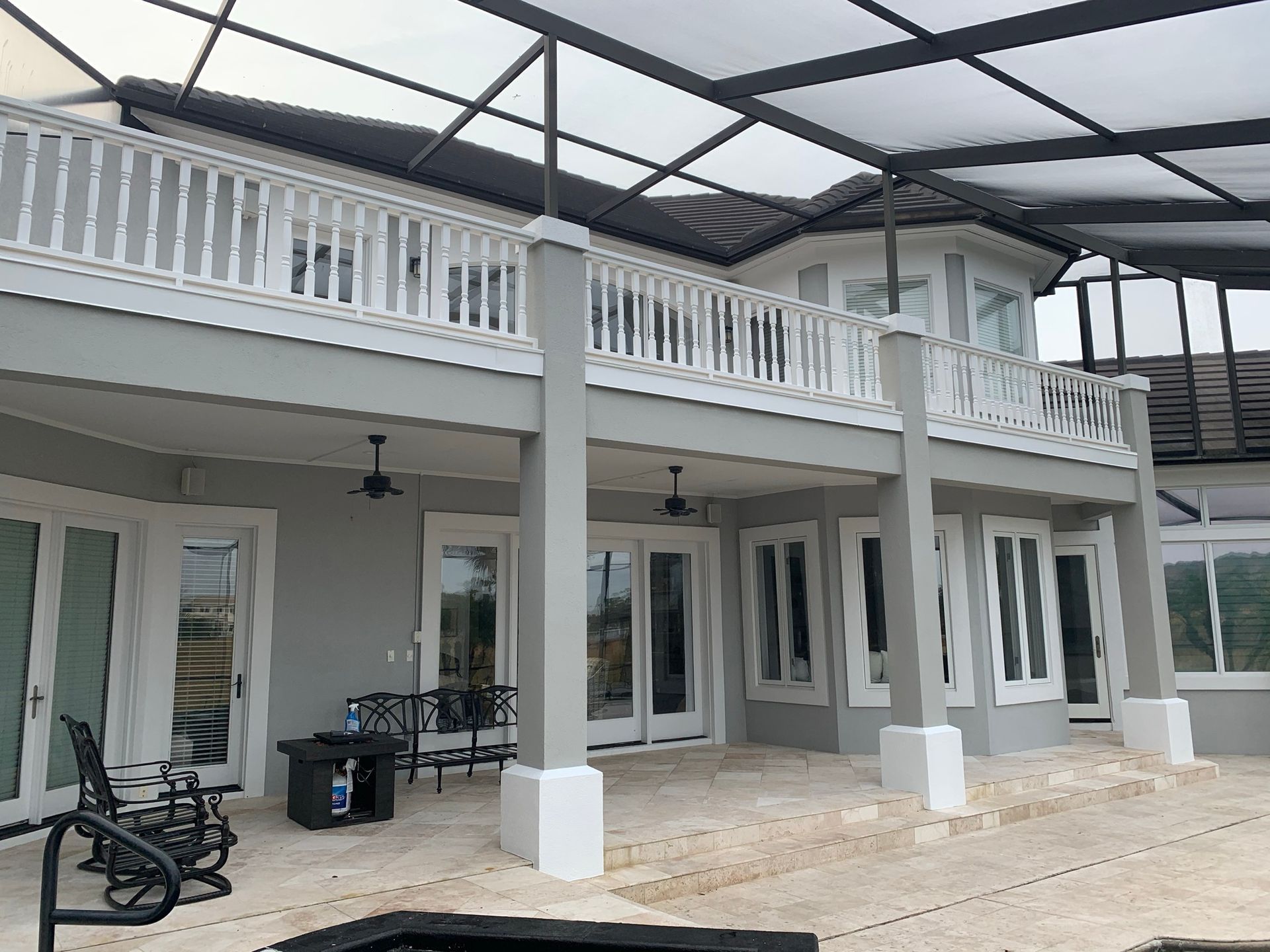
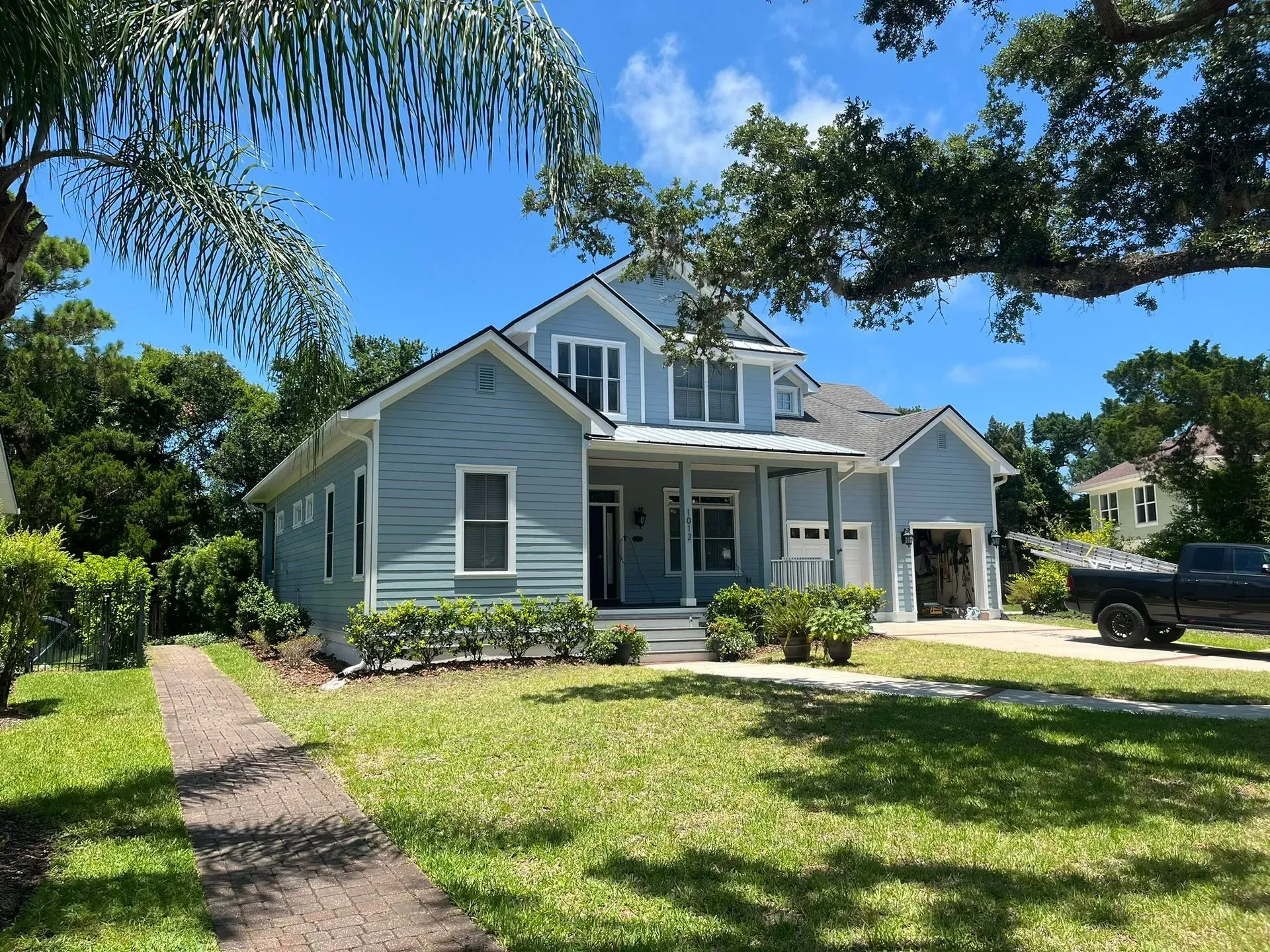
Two-story house with light gray exterior, white trim, and a screened patio.
December 30, 2025
Selecting the right paint colors is one of the most impactful decisions when it comes to enhancing the aesthetic appeal and overall ambiance of a home or business. Whether you are renovating a single room, repainting the exterior, or designing a brand-new commercial space.
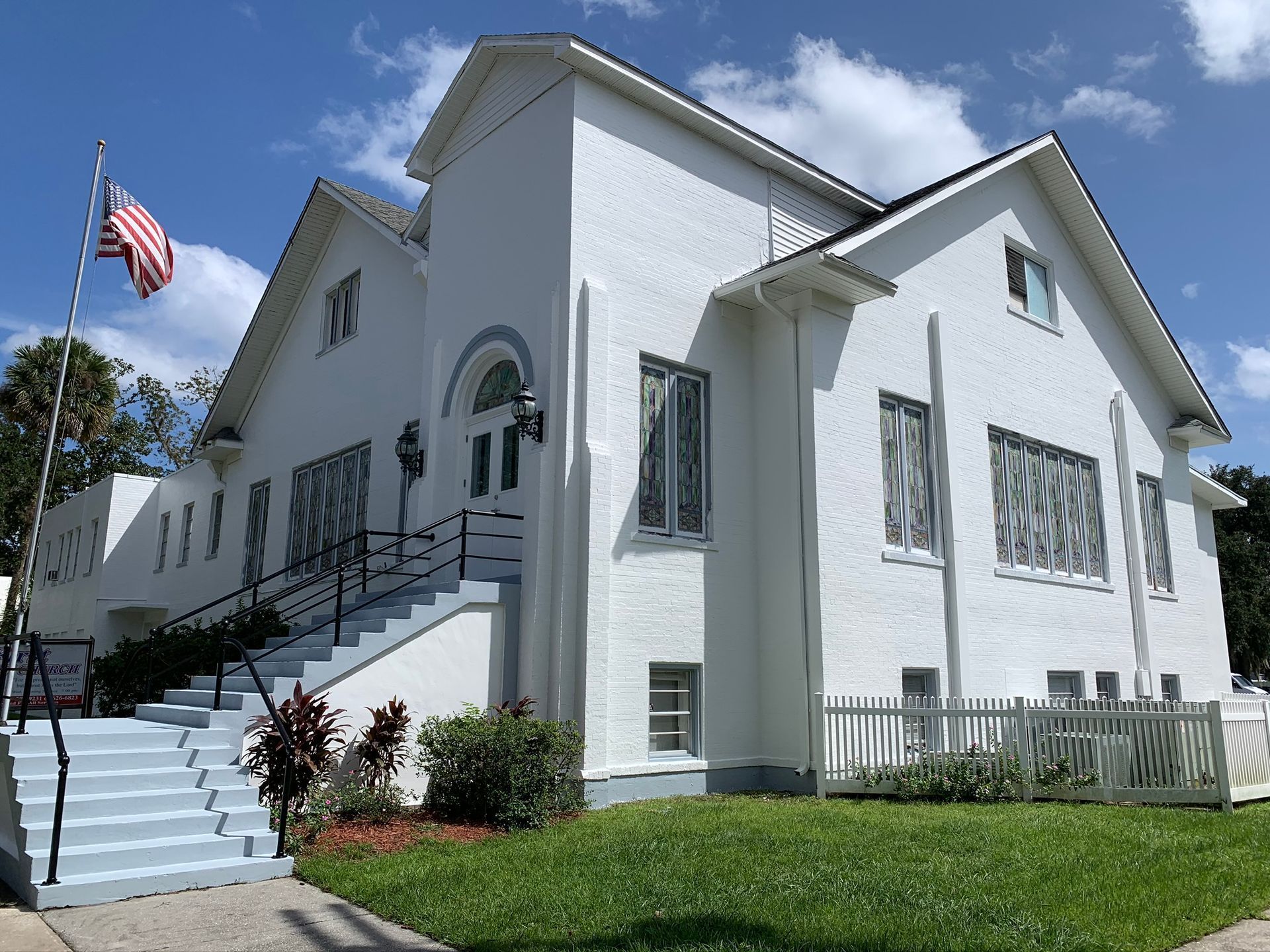
White building with stairs, American flag, and dark handrails, on a sunny day.
November 28, 2025
A fresh coat of paint does far more than make your home look clean and updated — it protects your property, boosts curb appeal, and even increases resale value.